

Claimed
Top10 Rehabs has connected directly with this treatment provider to validate the information in their profile.

Insurance Accepted

$1300/day
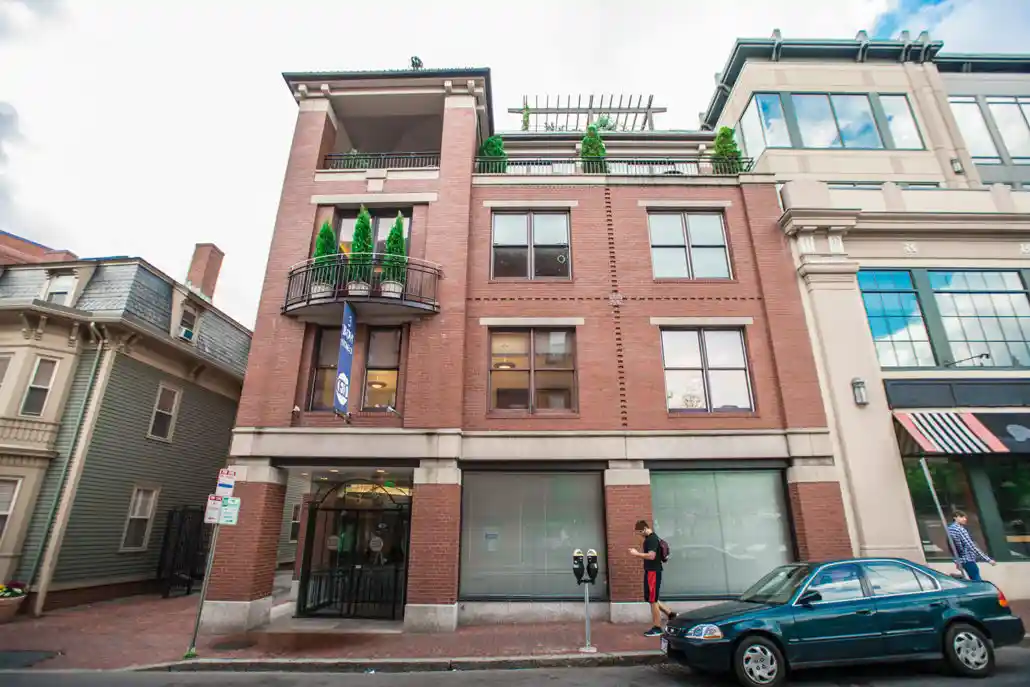
A Residential, IOP, PHP eating disorder center focused on a evidence-based therapies, nestled in the historic town of Cambridge.
Connect with Cambridge Eating Disorder Center by calling their admissions team directly.

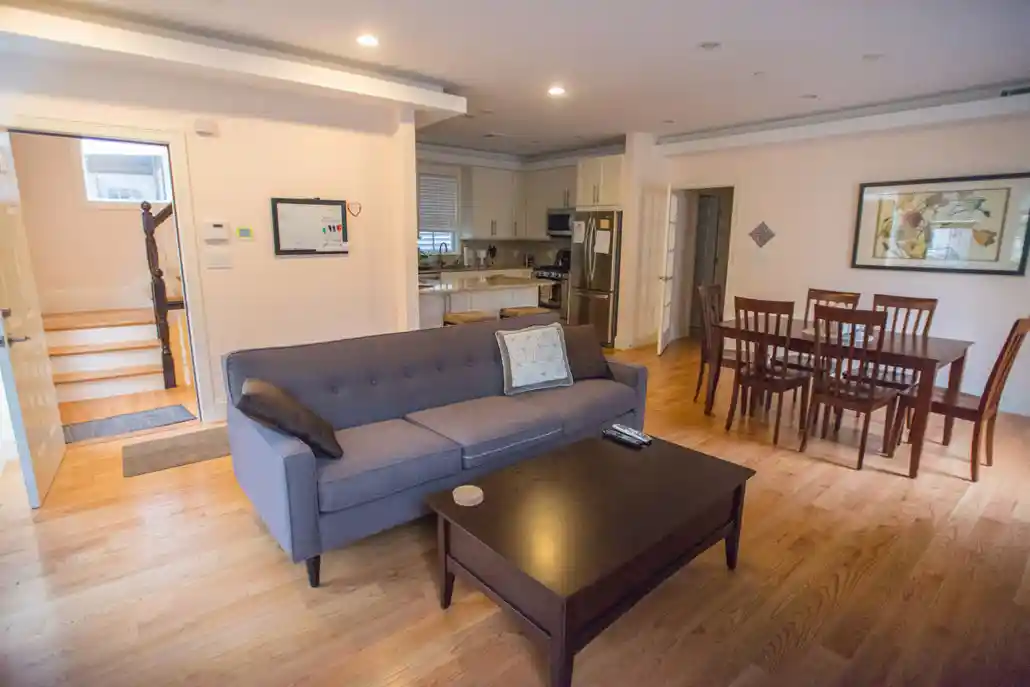
Cambridge Eating Disorder Center offers personalized and age-specific care for adult women, young adults, and adolescent girls. Their treatment center is tucked in a quaint town of Cambridge and focuses on reducing the symptoms of common eating disorders and helping clients understand their development and function. Cambridge Eating Disorder Center treats adolescents (12 and older), young adults (ages 18-26), and adult women on separate residential floors with age-specific care. Some of the eating disorders they treat are anorexia, bulimia, and binge eating. Cambridge Eating Disorder Center utilizes evidence-based methods such as Dialectical Behavior Therapy (DBT), Cognitive Behavioral Therapy (CBT), medication-assisted treatment, nutritional guidance, and group therapy. Additionally, adolescents are provided with academic support through local tutoring.
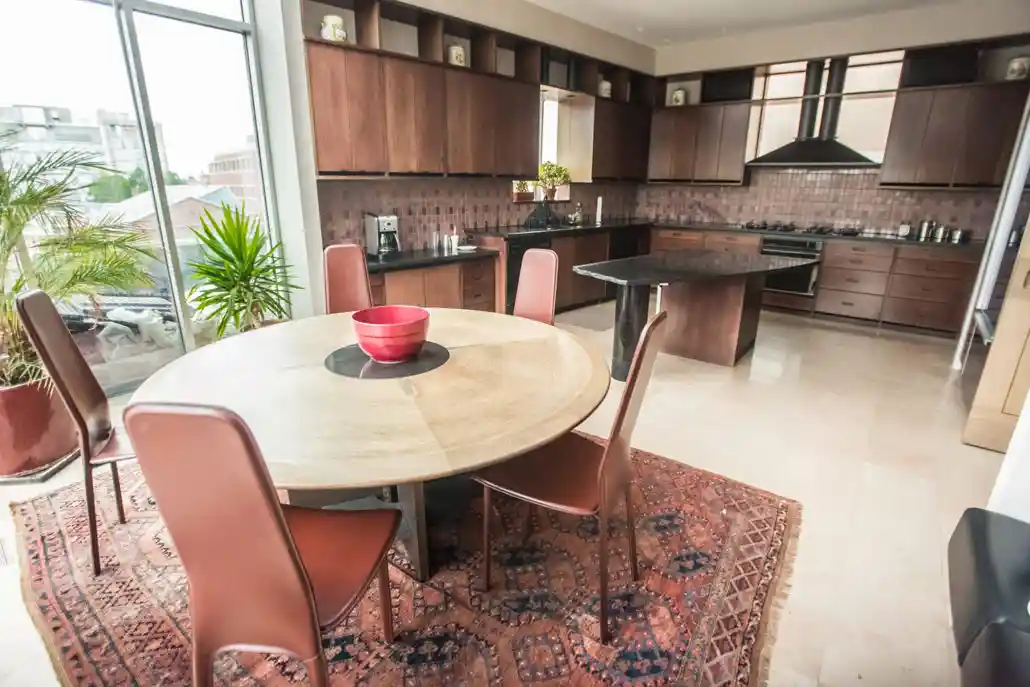
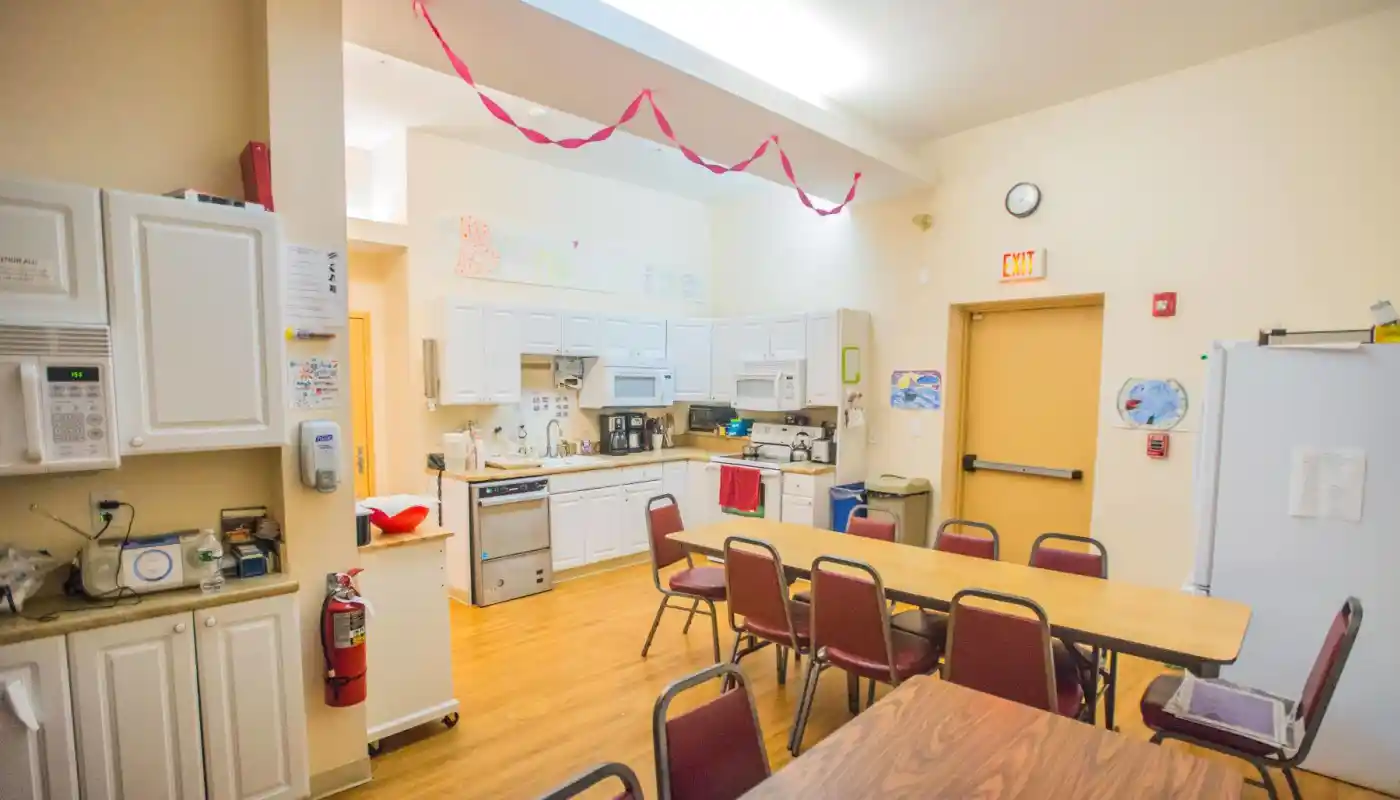
Cambridge Eating Disorder Center is a 37-bed facility and is located in the heart of historic Harvard Square. It features comfortable lounge areas, modern kitchens, and inspiring and creative spaces. Clients follow a scheduled day and have personal time to focus on art-making, games, yoga, and supervised local outings. Cambridge Eating Disorder Center is Joint Commission accredited and accepts both private and public insurances.

$335/DAY | IOP
$1,300/DAY | Residential
Extended options available
Men
Women
Adolescents
Adolescents
Adolescents receive the treatment they need for mental health disorders and addiction, with the added support of educational and vocational services.
Young Adults
Young Adults
Emerging adults ages 18-25 receive treatment catered to the unique challenges of early adulthood, like college, risky behaviors, and vocational struggles.

Mental health is a complex health condition that requires a comprehensive, patient-centered approach to treatment that ensures you receive the appropriate care at the right time, based on your individual needs.

Typically the initial stage of treatment for substance use, focusing on medically supervised management of withdrawal symptoms.

An intensive program offering 24 hour care and a variety of therapeutic services in a residential setting.
Transitional housing designed to support individuals recovering from substance use disorders offering a safe, supportive and structured environment for practicing long-term sobriety, while reintegrating back into daily living.
In a PHP, patients live at home but follow an intensive schedule of treatment. Most programs require you to be on-site for about 40 hours per week.
Treatment programming allowing patients to receive care without staying in a hospital or inpatient facility, providing a variety of therapeutic and medical services.

Adolescents
Adolescents
Adolescents receive the treatment they need for mental health disorders and addiction, with the added support of educational and vocational services.
Eating Disorders
Eating Disorders
An eating disorder is a long-term pattern of unhealthy behavior relating to food. Most people with eating disorders have a distorted self-image.
Young Adults
Young Adults
Emerging adults ages 18-25 receive treatment catered to the unique challenges of early adulthood, like college, risky behaviors, and vocational struggles.
Evidence-Based
Evidence-Based
A combination of scientifically rooted therapies and treatments make up evidence-based care, defined by their measured and proven results.
Gender-Specific
Gender-Specific
Separate treatment for men or women can create strong peer connections and remove barriers related to trauma, shame, and gender-specific nuances.
1-on-1 Counseling
1-on-1 Counseling
Patient and therapist meet 1-on-1 to work through difficult emotions and behavioral challenges in a personal, private setting.
Cognitive Behavioral Therapy
Expressive Arts
Expressive Arts
Creative processes like art, writing, or dance use inner creative desires to help boost confidence, emotional growth, and initiate change.
Family Therapy
Family Therapy
Family therapy addresses group dynamics within a family system, with a focus on improving communication and interrupting unhealthy relationship patterns.
Medication-Assisted Treatment
Medication-Assisted Treatment
Combined with behavioral therapy, prescribed medications can enhance treatment by relieving withdrawal symptoms and focus patients on their recovery.
Psychoeducation
Psychoeducation
This method combines treatment with education, teaching patients about different paths toward recovery. This empowers them to make more effective decisions.
Dialectical Behavior Therapy
Group Therapy
Yoga
Yoga
Yoga is both a physical and spiritual practice. It includes a flow of movement, breathing techniques, and meditation.
Eating Disorders
Eating Disorders
An eating disorder is a long-term pattern of unhealthy behavior relating to food. Most people with eating disorders have a distorted self-image.
Co-Occurring Disorders
Co-Occurring Disorders
A person with multiple mental health diagnoses, such as addiction and depression, has co-occurring disorders also called dual diagnosis.

Air-Conditioned Rooms
Private or Shared Rooms
Vegetarian
Yoga
Yoga
Yoga is both a physical and spiritual practice. It includes a flow of movement, breathing techniques, and meditation.
Games
Sightseeing
While costs may vary due to program length and insurance benefits, it typically costs $1300/day.
Cambridge, Massachusetts, United States.
The typical length is 30 days.
Top10 Rehabs is an independent organization that simplifies finding the best mental health and addiction treatment. Comprehensive profiles of over 2,500 rehab centers include insurance coverage, pricing, photos, reviews, and more. Choosing the best path to recovery has never been easier.