

Unclaimed
This provider hasn’t verified their profile’s information. Are you the owner of this center? Claim your listing to better manage your presence on Top10 Rehabs.
A mental health and addiction outpatient treatment center providing non-traditional intensive outpatient programs and day treatment for creatives.
Claim your profile to manage this page and enable the messaging form.
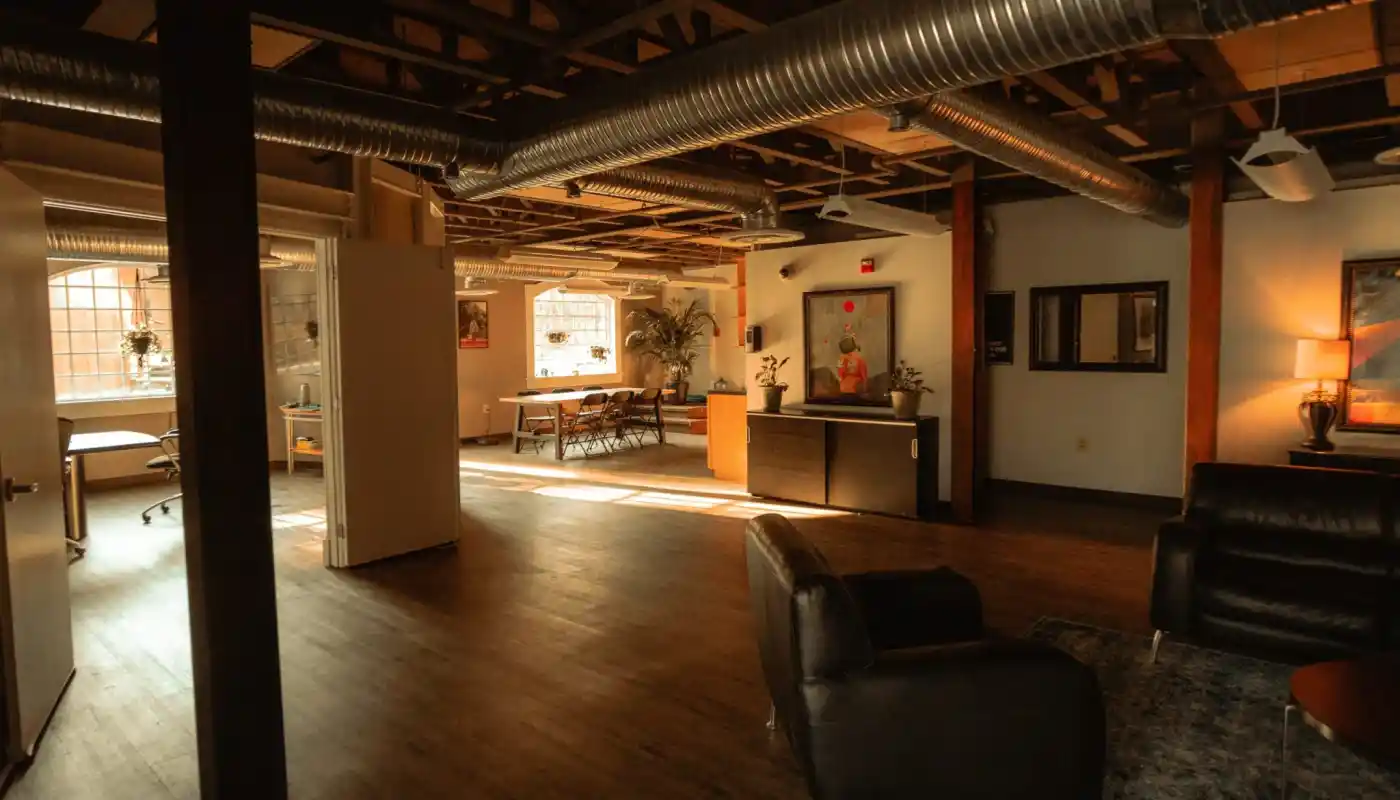
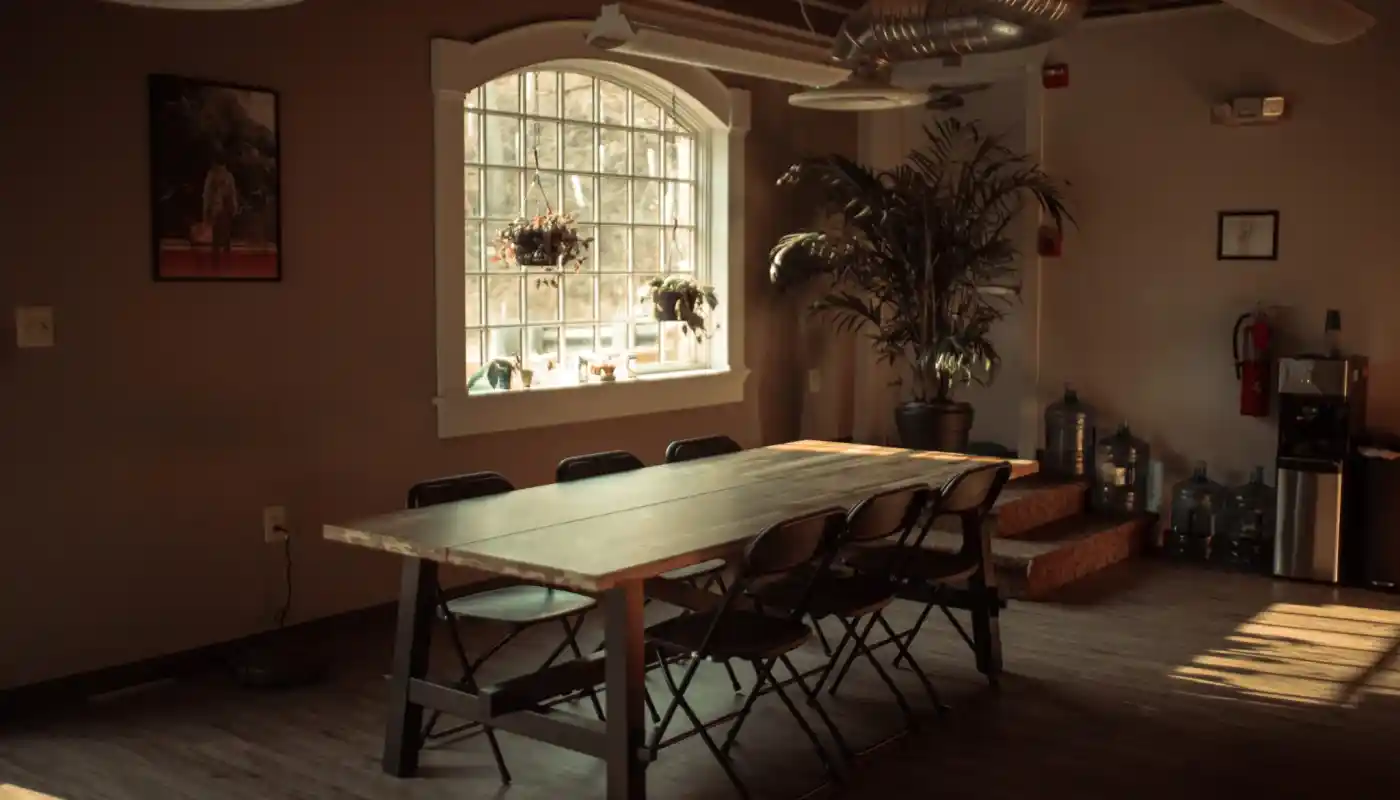
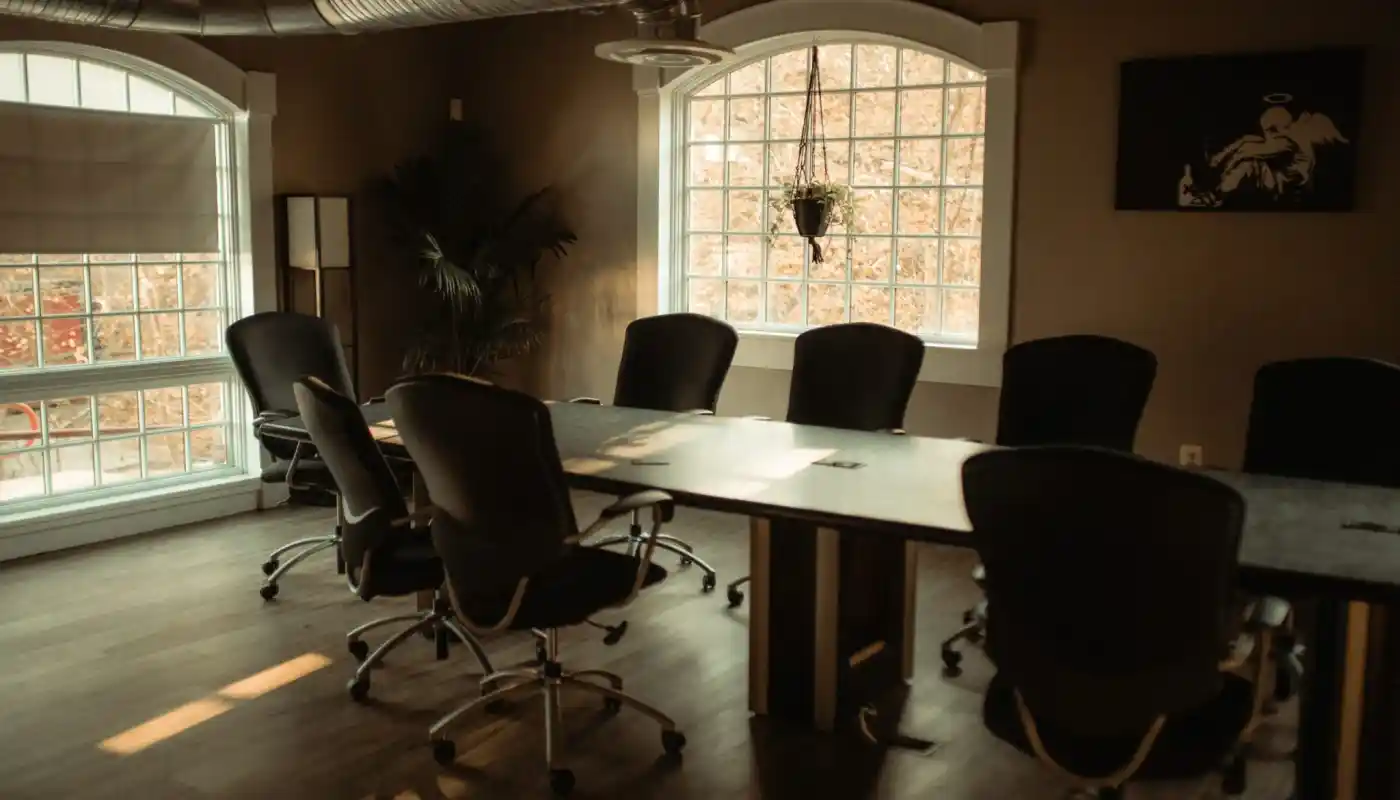
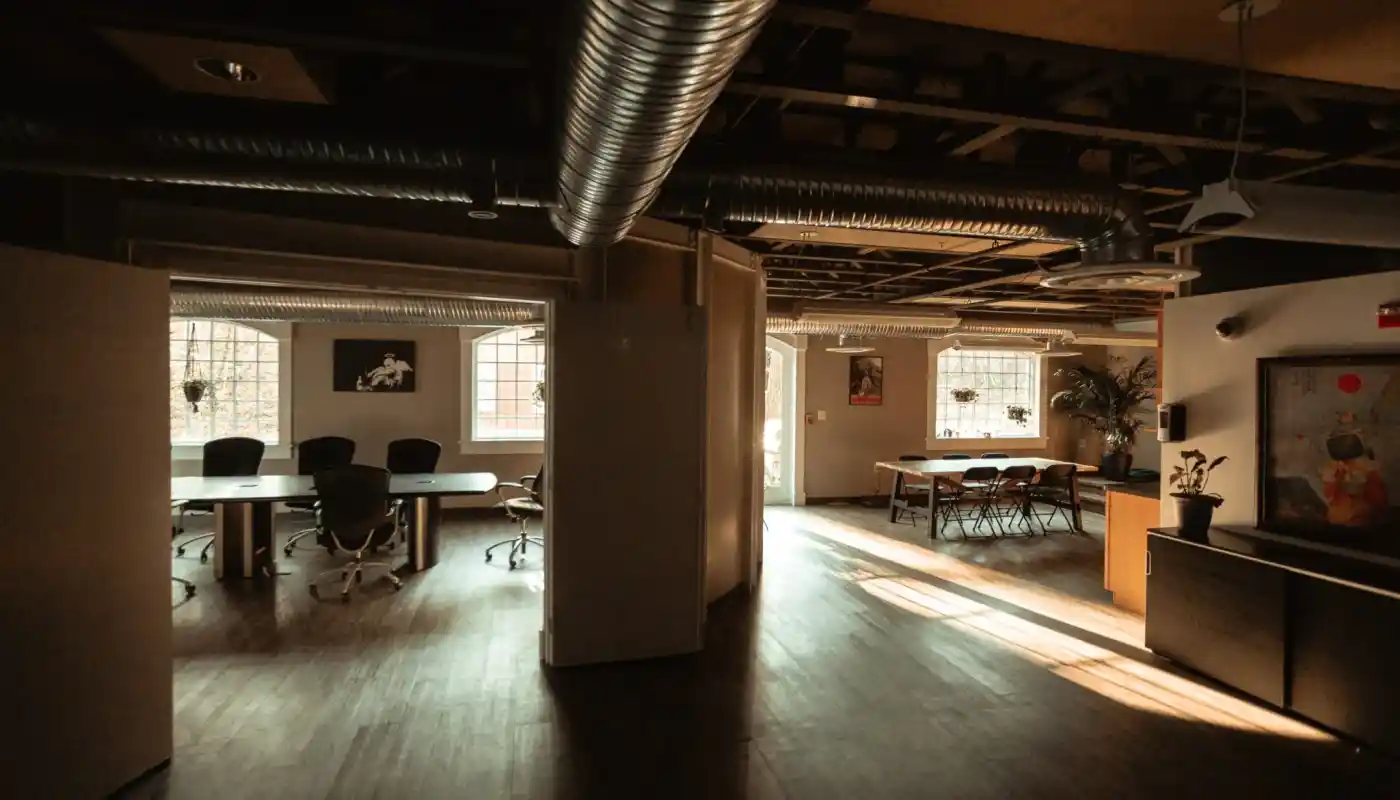
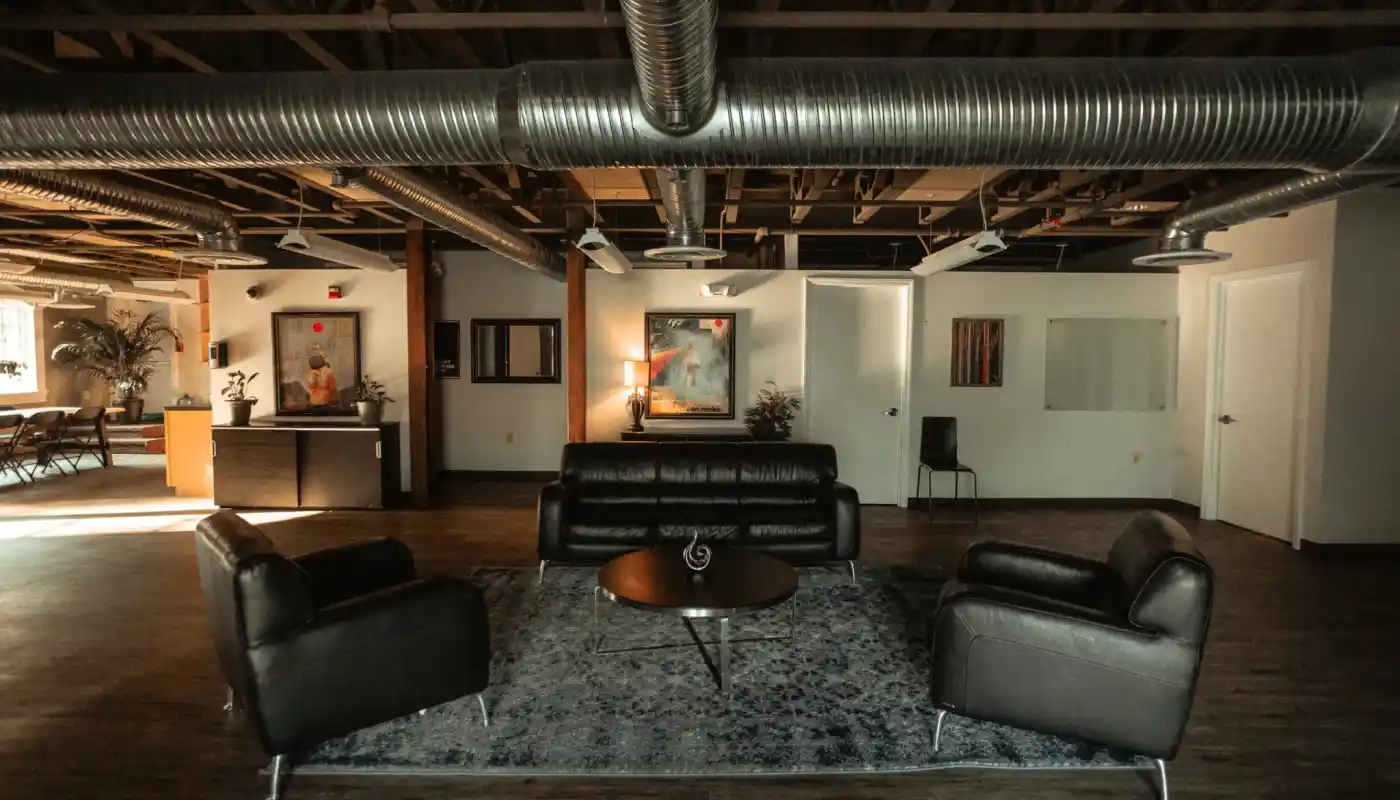
This unique outpatient treatment center specializes in working with creatives like musicians and artists, although all are welcome and can benefit from a creative approach to recovery. Their programs include an intensive outpatient program (IOP) and a partial hospitalization program (PHP), with virtual telehealth options for both programs.
Their Unconventional Approach
Glasshouse is run by clinicians who are educated in behavioral health, however being recovering creatives themselves, they have put aside some of the “boring and redundant” traditional recovery programming. Their programs are grounded in evidence-based therapies but with a fresh take on how they are implemented. Clients in both programs at Glass House join an immersive group therapy experience where they can address emotional and mental health issues as well as addictions. Some of their groups cover topics like purpose, grief and loss, coming back to life, exploration between genius and mental illness, practicing honesty, social anxiety and isolation, as well as a conversation on iconic figures who have drug addiction and mental illness. Aside from these unconventional conversations, Glass House does engage in evidence-based approaches which cover topics like self-harm, coping mechanisms, life skills and repairing damaged relationships. While they take an unconventional approach to treatment, they are accredited by the Joint Commission and also accept insurance.
Provider’s Policy:Glass House works with most major private insurance companies, and have many ways to navigate any deductibles or out-of-pocket requirements that might be part of your plan.

Providing health care programs that reinforce, maintain, and sustain good health for uniformed service members, retirees, and their families globally.
A leading healthcare provider serving over 100 million Americans as one of the largest insurance companies in the country.



Men
Women
Men and Women
Men and Women
Men and women attend treatment for addiction in a co-ed setting, going to therapy groups together to share experiences, struggles, and successes.

Mental health is a complex health condition that requires a comprehensive, patient-centered approach to treatment that ensures you receive the appropriate care at the right time, based on your individual needs.

Typically the initial stage of treatment for substance use, focusing on medically supervised management of withdrawal symptoms.
An intensive program offering 24 hour care and a variety of therapeutic services in a residential setting.
Transitional housing designed to support individuals recovering from substance use disorders offering a safe, supportive and structured environment for practicing long-term sobriety, while reintegrating back into daily living.

In a PHP, patients live at home but follow an intensive schedule of treatment. Most programs require you to be on-site for about 40 hours per week.
Treatment programming allowing patients to receive care without staying in a hospital or inpatient facility, providing a variety of therapeutic and medical services.
The delivery of therapeutic services utilizing technology such as video conferencing, online messaging or phone calls, allowing for flexibility, comfort and increased access to care.

Day Treatment
Day Treatment
In a PHP, patients live at home but follow an intensive schedule of treatment. Most programs require you to be on-site for about 40 hours per week.
Alcohol
Alcohol
Using alcohol as a coping mechanism, or drinking excessively throughout the week, signals an alcohol use disorder.
Co-Occurring Disorders
Co-Occurring Disorders
A person with multiple mental health diagnoses, such as addiction and depression, has co-occurring disorders also called dual diagnosis.
Drug Addiction
Drug Addiction
Drug addiction is the excessive and repetitive use of substances, despite harmful consequences to a person’s life, health, and relationships.
Intensive Outpatient Program
Intensive Outpatient Program
In an IOP, patients live at home, but attend treatment for up to 30 hours a week. Most programs include talk therapy, support groups, and other methods.
1-on-1 Counseling
1-on-1 Counseling
Patient and therapist meet 1-on-1 to work through difficult emotions and behavioral challenges in a personal, private setting.
Art Therapy
Art Therapy
Visual art invites patients to examine the emotions within their work, focusing on the process of creativity and its gentle therapeutic power.
Cognitive Behavioral Therapy
Music Therapy
Music Therapy
Singing, performing, and even listening to music can be therapeutic. Music therapy sessions are facilitated by certified counselors.
Group Therapy
Alcohol
Alcohol
Using alcohol as a coping mechanism, or drinking excessively throughout the week, signals an alcohol use disorder.
Benzodiazepines
Benzodiazepines
Benzodiazepines are prescribed to treat anxiety and sleep issues. They are highly habit forming, and their abuse can cause mood changes and poor judgement.
Co-Occurring Disorders
Co-Occurring Disorders
A person with multiple mental health diagnoses, such as addiction and depression, has co-occurring disorders also called dual diagnosis.
Cocaine
Cocaine
Cocaine is a stimulant with euphoric effects. Agitation, muscle ticks, psychosis, and heart issues are common symptoms of cocaine abuse.
Heroin
Heroin
Heroin is a highly addictive and illegal opioid. It can cause insomnia, collapsed veins, heart issues, and additional mental health issues.
Marijuana
Methamphetamine
Methamphetamine
Methamphetamine, or meth, increases energy, agitation, and paranoia. Long-term use can result in severe physical and mental health issues.
Opioids
Opioids
Opioids produce pain-relief and euphoria, which can lead to addiction. This class of drugs includes prescribed medication and the illegal drug heroin.
Prescription Drugs
Prescription Drugs
It’s possible to abuse any drug, even prescribed ones. If you crave a medication, or regularly take it more than directed, you may have an addiction.
Stress
Stress
Stress is a natural reaction to challenges, and it can even help you adapt. However, chronic stress can cause physical and mental health issues.
Synthetic Drugs
Synthetic Drugs
Synthetic drugs are made in a lab, unlike plant-based drugs like mushrooms. Most synthetic drugs are either stimulants or synthetic cannabinoids.
Trauma
Trauma
Some traumatic events are so disturbing that they cause long-term mental health problems. Those ongoing issues can also be referred to as ‘trauma.’

Outdoor Dining
Outdoor Lounge
Ellicott City, Maryland, United States.
Glass House works with most major private insurance companies, and have many ways to navigate any deductibles or out-of-pocket requirements that might be part of your plan.
The typical length is 30-90 days.
Top10 Rehabs is an independent organization that simplifies finding the best mental health and addiction treatment. Comprehensive profiles of over 2,500 rehab centers include insurance coverage, pricing, photos, reviews, and more. Choosing the best path to recovery has never been easier.