

Verified
This provider’s information has been quality-checked by Top10 Rehabs’s Research Team for accuracy and completeness, including data verification through appropriate third-party organizations.View This Center’s Verified License

Provider’s Policy

$18,000-$24,000
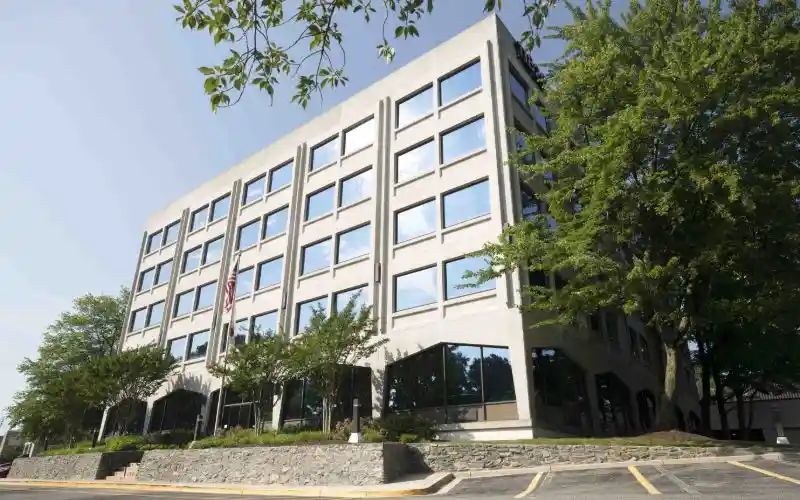
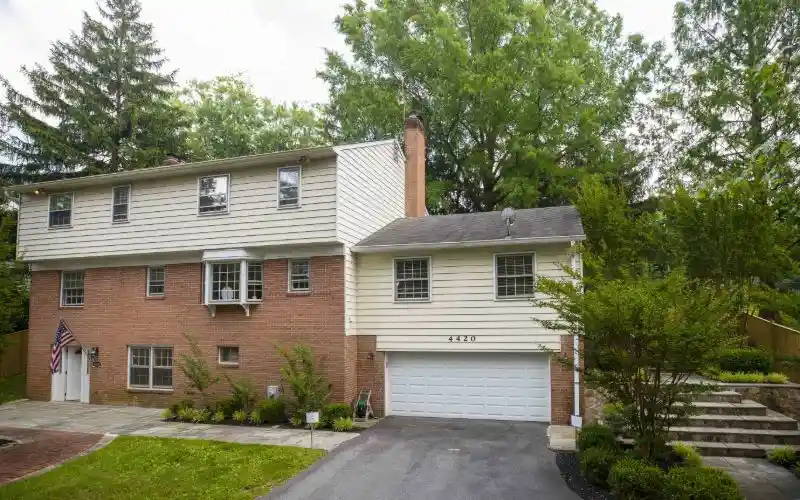
Sandstone North Bethesda blends the structural care of day treatment with sober living homes for men (ages 18-30) struggling with addiction and mental health.
Connect with Sandstone Care Young Adult Sober Living by calling their admissions team directly.
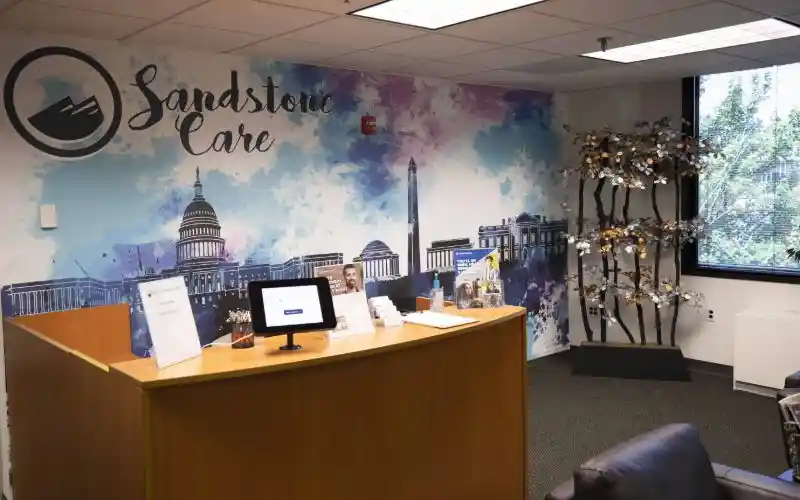
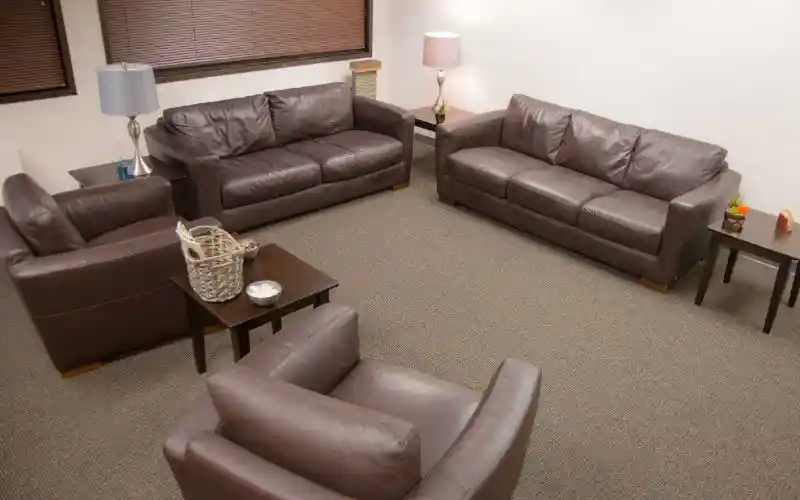

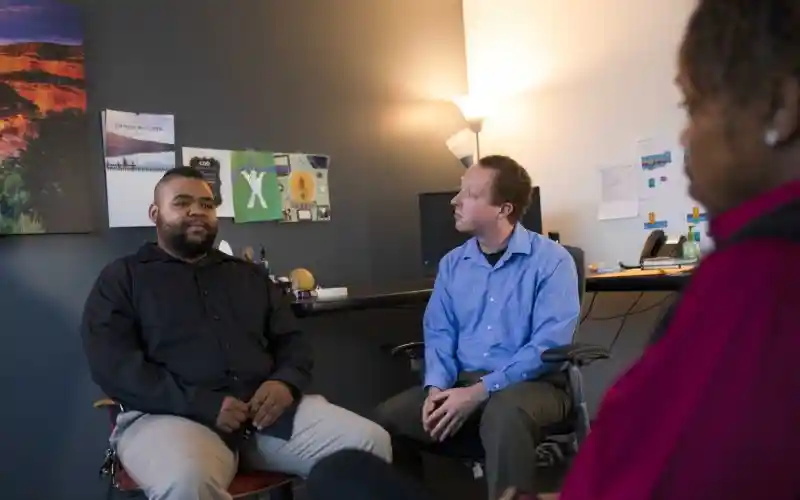

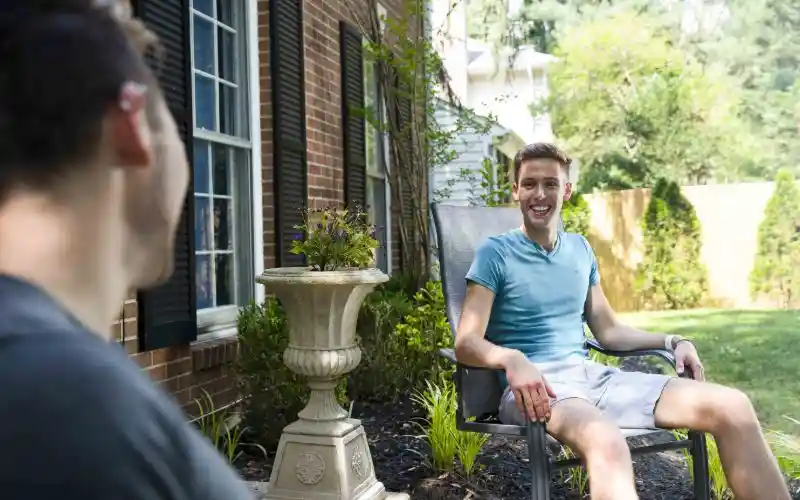
Sandstone Care’s Day Treatment, or PHP, uses a variety of therapeutic techniques. They help men stabilize, begin to understand their addiction and mental health struggles, and heal from them. Sandstone believes everyone should have the support needed to become the person they want to be. They strive to help men become that person, without using substances to get there.
Adults in their day treatment program will engage in:
• Individual and Group Therapy
• Family Therapy
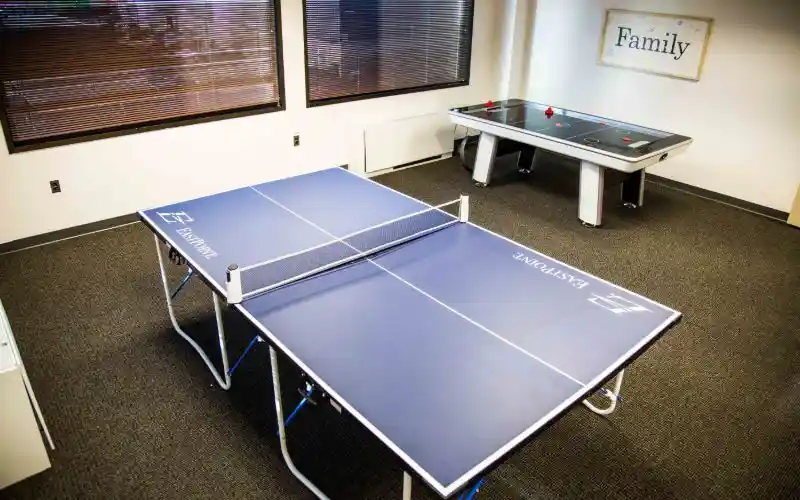
• Afternoon Experiential Activities
• Academic And Vocational Support
• Consultation With A Psychiatrist
Sandstone understands the need for structure when dealing with substance use and mental health issues. Sandstone Care helps men attain a maintainable lifestyle by clients still being able to work, have hobbies, be on technology, and more, all while being in a drug-free environment. They approach treatment with an individualized, evidence-based focus, believing each man needs their own unique recovery plan to heal and thrive.
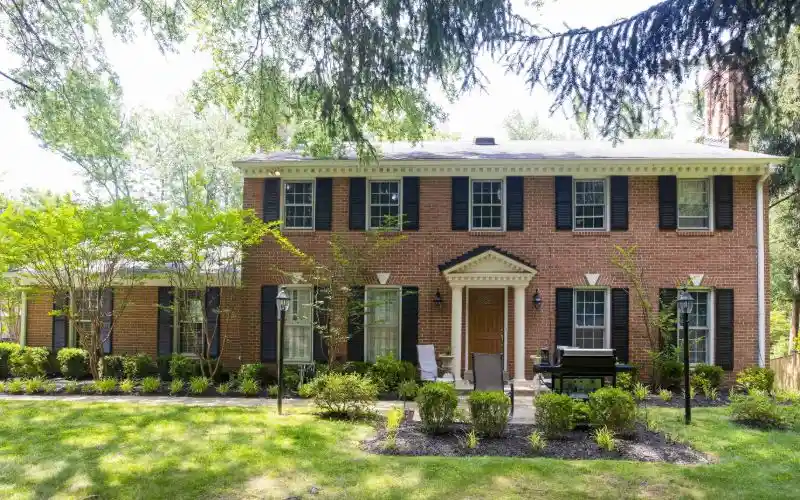
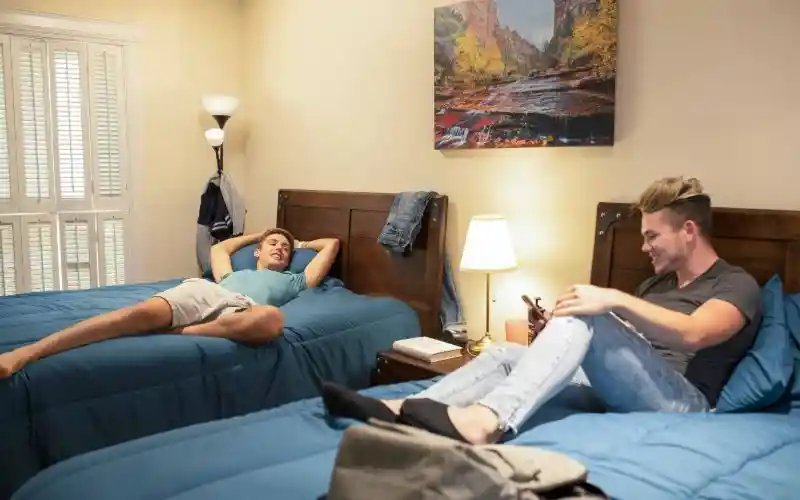
Sandstone’s sober living homes are where men find the support they need to reclaim not only their sobriety but a positive lifestyle. North Bethesda Sober Living is gender-specific for men ages 18-30. Their homes combine comfort and fun with structure and accountability. They are a drug-free structured living environment away from home for men to reorganize themselves and stay focused on their recovery.
Provider’s Policy:At Sandstone Care, we accept all major insurance companies. Our experts will contact your insurance provider and provide a free and confidential verification of benefits. This will allow us to determine any deductible amounts, coinsurance, or co-pays to be collected. No one likes a surprise when it comes to insurance coverage and billing. We will ensure you have a clear picture of what the costs of treatment would be and how to maximize your insurance benefits.
One of the nation’s largest not-for-profit health plans, serving 12.7 million members.

With roots in the health field dating back to 1961, Humana is a trusted insurance provider that proudly serves over 20 million Americans.

Part of UnitedHealth Group, providing care to over 165,000 people worldwide.

Providing health care programs that reinforce, maintain, and sustain good health for uniformed service members, retirees, and their families globally.
Cigna’s unique history traces back to 1792, but today they offer services to 190 million customers in 30 different countries across the globe.
A leading healthcare provider serving over 100 million Americans as one of the largest insurance companies in the country.

With 40+ years of behavioral health care experience, MHN partners with thousands of licensed practitioners and hospitals to provide quality insurance to their customers.
Carelon Behavioral Health, formerly Beacon Health Options, is headquartered in Boston, Massachusetts and serves over 40 million people.

Offering plans to individuals and businesses throughout the United States and in countries around the world.

One of the largest health insurance companies in the US, offering several health insurance options to individuals and businesses.

Founded in 1946, Anthem is the 4th largest public managed health care company in the United States and serves over 46 million clients.

Serving over 3 million clients throughout California with an ongoing mission to help the community.

Recovering and reclaiming life is a beautiful process within itself. Doing it with a community of like-minded people with similar goals and situations helps support recovery. Sandstone’s Maryland center strives to provide teens and young adults with a community they can immediately connect with, and one they can move with towards recovery.
Sandstone Care treats each man as the unique individual they are, catering their treatment plan to their history and goals. Sandstone effectively cares for co-occurring disorders like anxiety and depression, and underlying trauma. By treating addiction and its core cause, men at Sandstone can leave treatment with the tools, confidence, and healing they need to find lasting recovery.
Everyone at Sandstone Care participates in daily therapy sessions, including group therapy sessions, individual therapy sessions, and family therapy sessions. Twice a week, clients will attend academic and vocational workshops. Routines help create healthy habits that carry over into life after treatment.
Sandstone’s Day Treatment Program, or Day Treatment, is a structured support network young adult men participate in while at Sandstone’s sober living accommodations. The treatment approach at Sandstone focuses on both recovery and creating a sober lifestyle that’s sustainable and healthy.
RehabPath verified that the name, location, contact information and license to operate for this treatment provider are valid and up-to-date. Sandstone Care Young Adult Sober Living has verified the information on this page to be accurate.
RehabPath is an independent, third-party mental health resource. Verification does not imply endorsement and does not guarantee the quality of treatment services

Men
Young Adults
Young Adults
Emerging adults ages 18-25 receive treatment catered to the unique challenges of early adulthood, like college, risky behaviors, and vocational struggles.

Mental health is a complex health condition that requires a comprehensive, patient-centered approach to treatment that ensures you receive the appropriate care at the right time, based on your individual needs.

Typically the initial stage of treatment for substance use, focusing on medically supervised management of withdrawal symptoms.
An intensive program offering 24 hour care and a variety of therapeutic services in a residential setting.

Transitional housing designed to support individuals recovering from substance use disorders offering a safe, supportive and structured environment for practicing long-term sobriety, while reintegrating back into daily living.
In a PHP, patients live at home but follow an intensive schedule of treatment. Most programs require you to be on-site for about 40 hours per week.
Treatment programming allowing patients to receive care without staying in a hospital or inpatient facility, providing a variety of therapeutic and medical services.

Co-Occurring Disorders
Co-Occurring Disorders
A person with multiple mental health diagnoses, such as addiction and depression, has co-occurring disorders also called dual diagnosis.
Young Adults
Young Adults
Emerging adults ages 18-25 receive treatment catered to the unique challenges of early adulthood, like college, risky behaviors, and vocational struggles.
Marijuana
Evidence-Based
Evidence-Based
A combination of scientifically rooted therapies and treatments make up evidence-based care, defined by their measured and proven results.
Individual Treatment
Individual Treatment
Individual care meets the needs of each patient, using personalized treatment to provide them the most relevant care and greatest chance of success.
Family Involvement
Family Involvement
Providers involve family in the treatment of their loved one through family therapy, visits, or both–because addiction is a family disease.
Strengths-based
Strengths-based
Providers using a strengths-based philosophy focus on the positive traits of their patients, creating a positive feedback loop that grows confidence.
1-on-1 Counseling
1-on-1 Counseling
Patient and therapist meet 1-on-1 to work through difficult emotions and behavioral challenges in a personal, private setting.
Mindfulness Therapy
Mindfulness Therapy
This ancient practice can be mental, emotional, and even spiritual. In meditation, you focus your attention on the present moment without judgement.
Adventure Therapy
Adventure Therapy
This experiential approach uses the physical and emotional challenges of outdoor activities as tools for personal growth.
Art Therapy
Art Therapy
Visual art invites patients to examine the emotions within their work, focusing on the process of creativity and its gentle therapeutic power.
Cognitive Behavioral Therapy
DBT
DBT
This stage-based therapy helps patients address their realities and behaviors while inspiring healthy change, primarily in regulating emotions.
Equine Therapy
Equine Therapy
Guided interactions with trained horses, their handler, and a therapist can help patients improve their self-esteem, trust, empathy, and social skills.
Experiential Therapy
Experiential Therapy
With this approach, patients heal by doing. Therapists help patients process difficult emotions to speak, using guided activities like art or dance.
Eye Movement Therapy (EMDR)
Eye Movement Therapy (EMDR)
Lateral, guided eye movements help reduce the emotional reactions of retelling and reprocessing trauma, allowing intense feelings to dissipate.
Family Therapy
Family Therapy
Family therapy addresses group dynamics within a family system, with a focus on improving communication and interrupting unhealthy relationship patterns.
Life Skills
Life Skills
Teaching life skills like cooking, cleaning, clear communication, and even basic math provides a strong foundation for continued recovery.
Mindfulness-Based Cognitive Therapy
Mindfulness-Based Cognitive Therapy
MBCT combines mindfulness practices—like meditation—with cognitive therapy techniques to help patients work through negative thought patterns.
Motivational Interviewing and Enhancement Therapy (MET)
Motivational Interviewing and Enhancement Therapy (MET)
This approach is based on idea that motivation to change comes from within. Providers use a conversational framework that may help you commit to recovery.
Music Therapy
Music Therapy
Singing, performing, and even listening to music can be therapeutic. Music therapy sessions are facilitated by certified counselors.
Recreation Therapy
Recreation Therapy
In recreation therapy, recovery can be joyful. Patients practice social skills and work through emotional triggers by engaging in fun activities.
Relapse Prevention Counseling
Relapse Prevention Counseling
Relapse prevention counselors teach patients to recognize the signs of relapse and reduce their risk.
Solution Focused, Goal-Oriented Therapy
Solution Focused, Goal-Oriented Therapy
A quick goal-oriented therapy that helps patients identify their current and future goals, find out how to achieve them, and empower future problem-solving.
Somatic Experiencing
Somatic Experiencing
This method treats emotional trauma stored in the body. A therapist helps patients work through the physical feelings associated with emotional pain.
Acceptance and Commitment Therapy (ACT)
Acceptance and Commitment Therapy (ACT)
This cognitive behavioral therapy teaches patients to accept challenging feelings and make the appropriate changes to reach personal goals.
Neurofeedback
Neurofeedback
During therapy, patients observe their own brain waves as interpreted by an EEG. This empowers them to understand and regulate emotional responses.
Group Therapy
Prescription Drugs
Prescription Drugs
It’s possible to abuse any drug, even prescribed ones. If you crave a medication, or regularly take it more than directed, you may have an addiction.
Nicotine
Co-Occurring Disorders
Co-Occurring Disorders
A person with multiple mental health diagnoses, such as addiction and depression, has co-occurring disorders also called dual diagnosis.
Cocaine
Cocaine
Cocaine is a stimulant with euphoric effects. Agitation, muscle ticks, psychosis, and heart issues are common symptoms of cocaine abuse.
Schizophrenia
Schizophrenia
Schizophrenia is a serious mental health condition that causes hallucinations, delusions, and disordered thinking.
Personality Disorders
Personality Disorders
Personality disorders destabilize the way a person thinks, feels, and behaves. If untreated, they can undermine relationships and lead to severe distress.
Benzodiazepines
Benzodiazepines
Benzodiazepines are prescribed to treat anxiety and sleep issues. They are highly habit forming, and their abuse can cause mood changes and poor judgement.
Opioids
Opioids
Opioids produce pain-relief and euphoria, which can lead to addiction. This class of drugs includes prescribed medication and the illegal drug heroin.
Codependency
Codependency
Codependency is a pattern of emotional dependence and controlling behavior. It’s most common among people with addicted loved ones.
Methamphetamine
Methamphetamine
Methamphetamine, or meth, increases energy, agitation, and paranoia. Long-term use can result in severe physical and mental health issues.
Heroin
Heroin
Heroin is a highly addictive and illegal opioid. It can cause insomnia, collapsed veins, heart issues, and additional mental health issues.
Post Traumatic Stress Disorder
Post Traumatic Stress Disorder
PTSD is a long-term mental health issue caused by a disturbing event or events. Symptoms include anxiety, dissociation, flashbacks, and intrusive thoughts.
Marijuana
Synthetic Drugs
Synthetic Drugs
Synthetic drugs are made in a lab, unlike plant-based drugs like mushrooms. Most synthetic drugs are either stimulants or synthetic cannabinoids.
Depression
Depression
Symptoms of depression may include fatigue, a sense of numbness, and loss of interest in activities. This condition can range from mild to severe.
Drug Addiction
Drug Addiction
Drug addiction is the excessive and repetitive use of substances, despite harmful consequences to a person’s life, health, and relationships.
Alcohol
Alcohol
Using alcohol as a coping mechanism, or drinking excessively throughout the week, signals an alcohol use disorder.
Chronic Relapse
Chronic Relapse
Consistent relapse occurs repeatedly, after partial recovery from addiction. This condition requires long-term treatment.
Anxiety
Anxiety
Anxiety is a common mental health condition that can include excessive worry, panic attacks, physical tension, and increased blood pressure.
Bipolar
Bipolar
This mental health condition is characterized by extreme mood swings between depression, mania, and remission.
Stress
Stress
Stress is a natural reaction to challenges, and it can even help you adapt. However, chronic stress can cause physical and mental health issues.
Anger
Anger
Although anger itself isn’t a disorder, it can get out of hand. If this feeling interferes with your relationships and daily functioning, treatment can help.
Trauma
Trauma
Some traumatic events are so disturbing that they cause long-term mental health problems. Those ongoing issues can also be referred to as ‘trauma.’
ADHD, ADD
ADHD, ADD
ADHD is a common mental health condition caused by dopamine imbalance. Common symptoms include inattention, hyperactivitiy, and impulsivity.
Burnout
Burnout
Burnout entails mental and physical exhaustion, and leads to a severe lack of fulfillment. This condition is often caused by overwork.
Support Meetings
Outpatient Treatment
Alumni Events & Get-Togethers
Alumni Reunions
Private, Online Alumni Groups
Aftercare Group Therapy

Air-Conditioned Rooms
Armchair or Sofa
Bathroom Essentials (towels, soap, shampoo)
Coffee Maker and Tea
Desk
En Suite Bathroom
Hair Dryer
Internet Access
Iron
Kitchenette (sink, microwave, mini fridge)
Laundry Service
Outdoor Space (connected to room)
Shared Bathroom
Snacks
TV
Walk-in Closet
Access to Nature
Internet
Outdoor Dining
Walking Trails
Gender-specific groups
Gender-specific groups
Patients in gender-specific groups gain the opportunity to discuss challenges unique to their gender in a comfortable, safe setting conducive to healing.
Other dietary needs (vegan, vegetarian, gluten-free, etc.)
Wheelchair Accessible
Young Adults Program
Young Adults Program
Programs for young adults bring teens 18+ together to discuss age-specific challenges, vocational and educational progress, and successes in treatment.
Yoga
Yoga
Yoga is both a physical and spiritual practice. It includes a flow of movement, breathing techniques, and meditation.
Biking
Games
Hiking
Physical Fitness
Rock Climbing
Biking
Games
Golf
Hiking
Physical Fitness
Beach Access
Basketball Court
Fitness Center
Library
Virtual Golf
Walking Trails

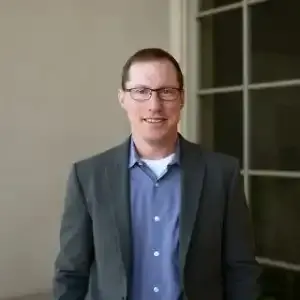
Chief Executive Officer
Chief Growth Officer

Chief Clinical Officer

Chief Medical Officer
While costs may vary due to program length and insurance benefits, it typically costs $18,000-$24,000.
Rockville, Maryland, United States.
At Sandstone Care, we accept all major insurance companies. Our experts will contact your insurance provider and provide a free and confidential verification of benefits. This will allow us to determine any deductible amounts, coinsurance, or co-pays to be collected. No one likes a surprise when it comes to insurance coverage and billing. We will ensure you have a clear picture of what the costs of treatment would be and how to maximize your insurance benefits..
The typical length is 30 days.
Top10 Rehabs is an independent organization that simplifies finding the best mental health and addiction treatment. Comprehensive profiles of over 2,500 rehab centers include insurance coverage, pricing, photos, reviews, and more. Choosing the best path to recovery has never been easier.