

Verified
This provider’s information has been quality-checked by Top10 Rehabs’s Research Team for accuracy and completeness, including data verification through appropriate third-party organizations.View This Center’s Verified License

Provider’s Policy

$7,500-$28,000
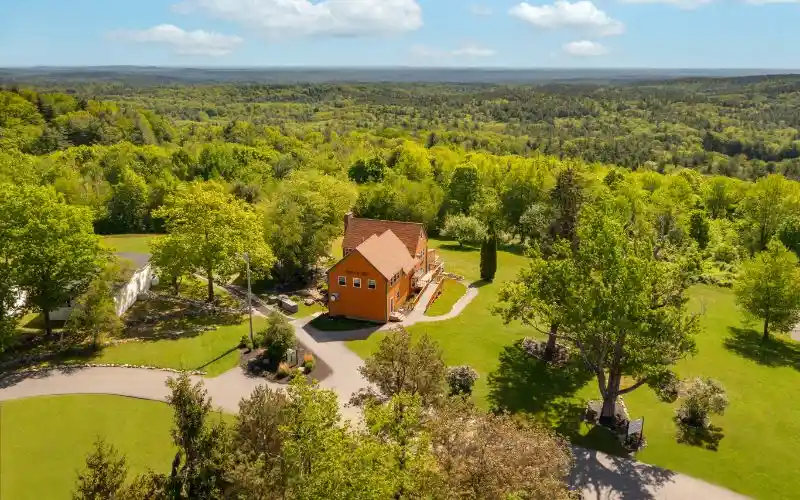
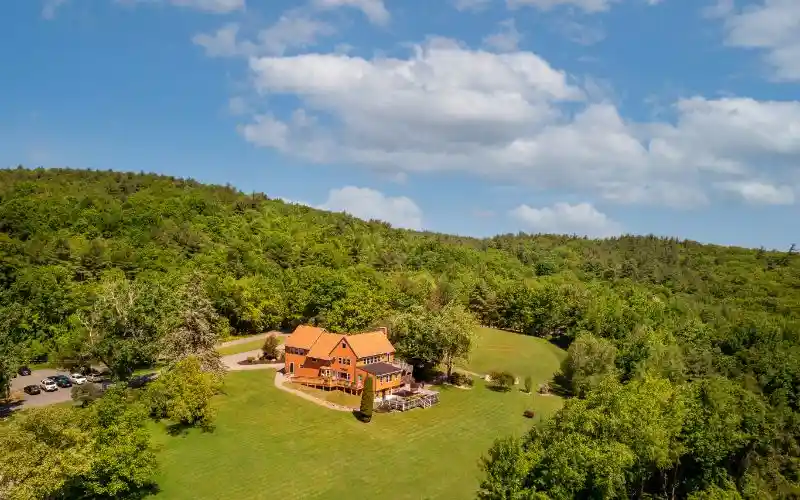
A 70-acre secluded retreat offering tailored treatment plans, evidence-based therapies, and a family-like atmosphere in the Massachusetts woodlands.
Highlights


Connect with Spring Hill Recovery Center by calling their admissions team directly.
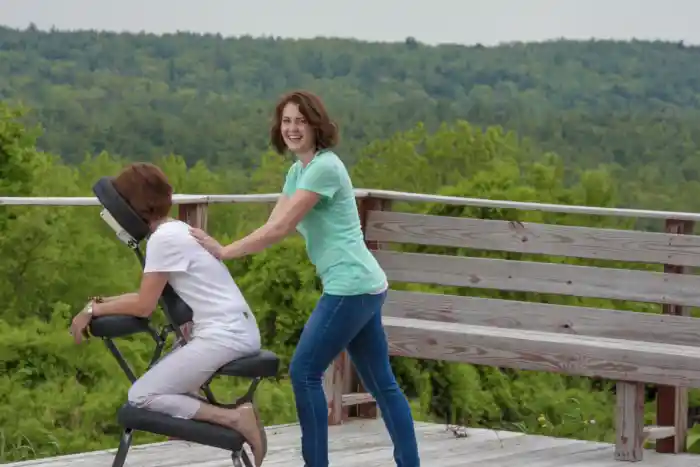

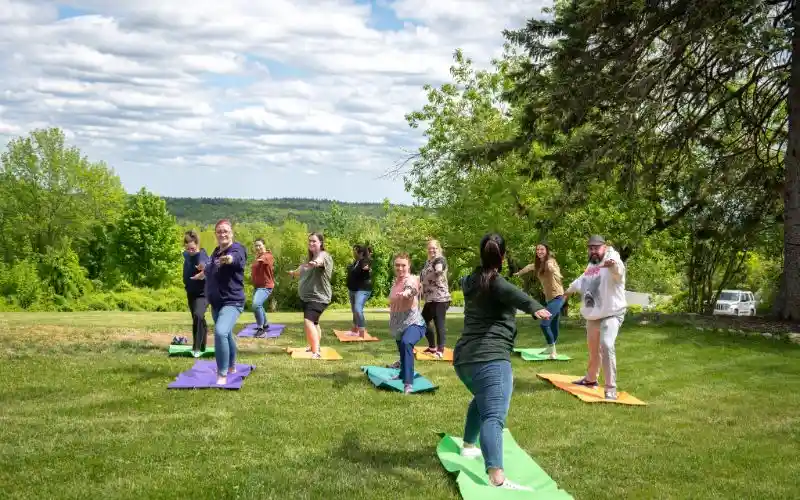
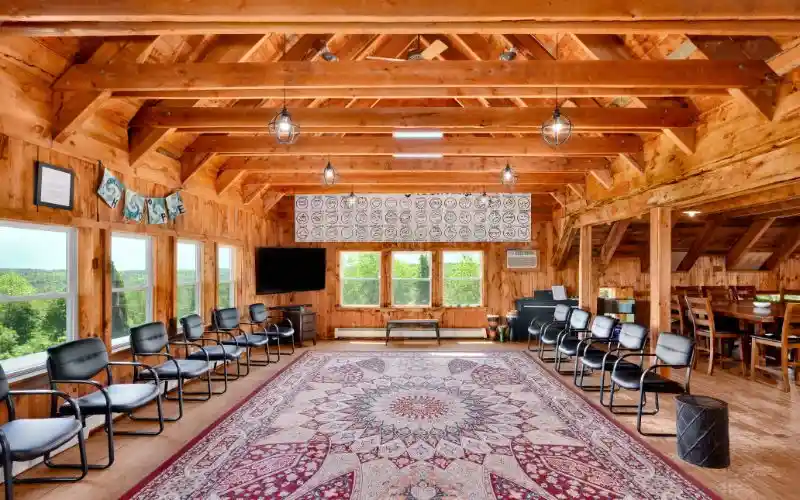
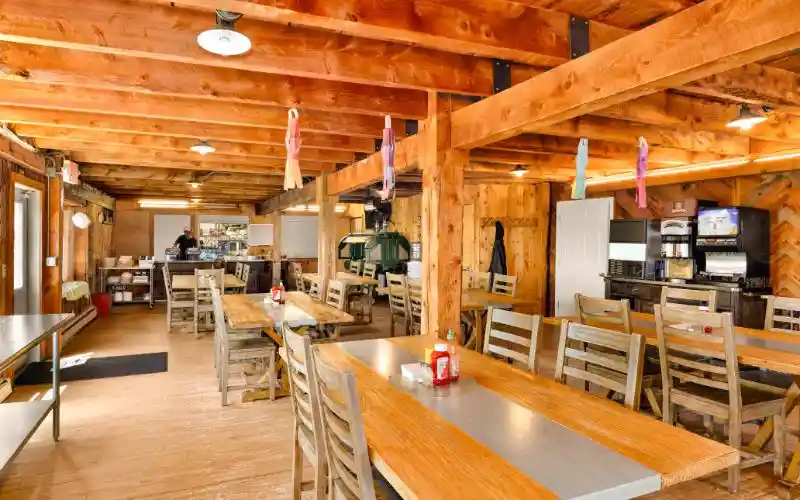
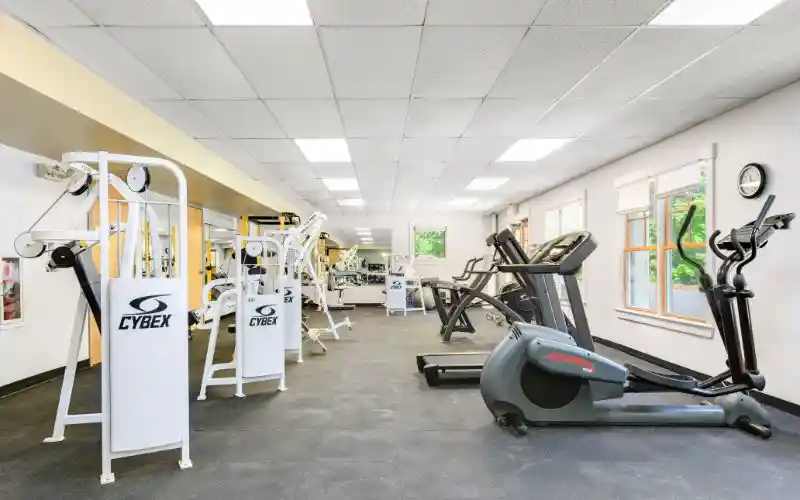

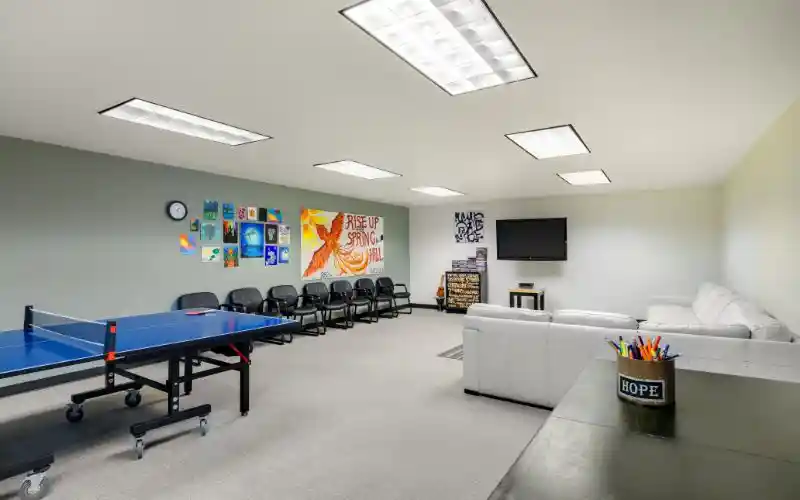
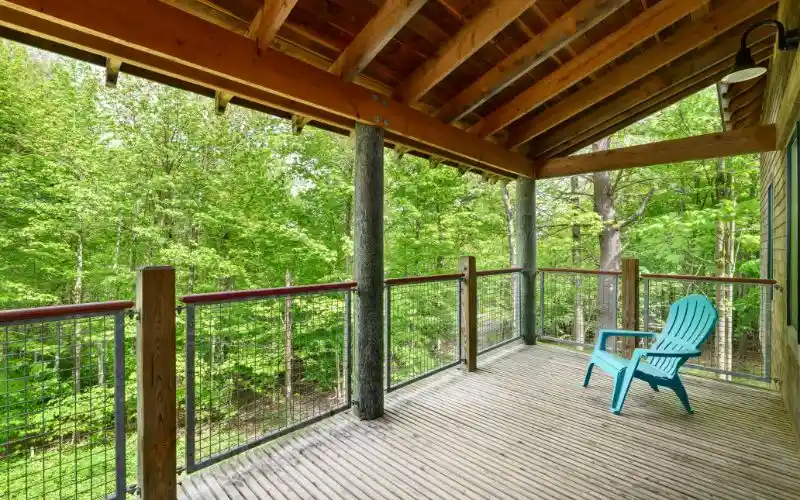
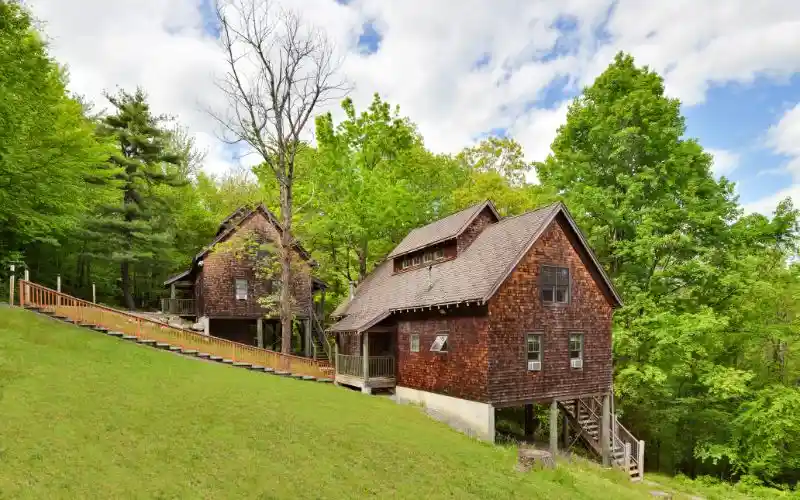
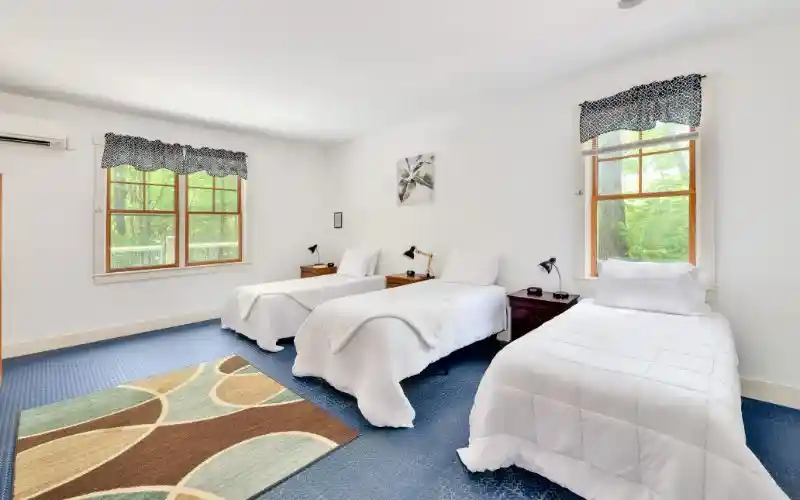
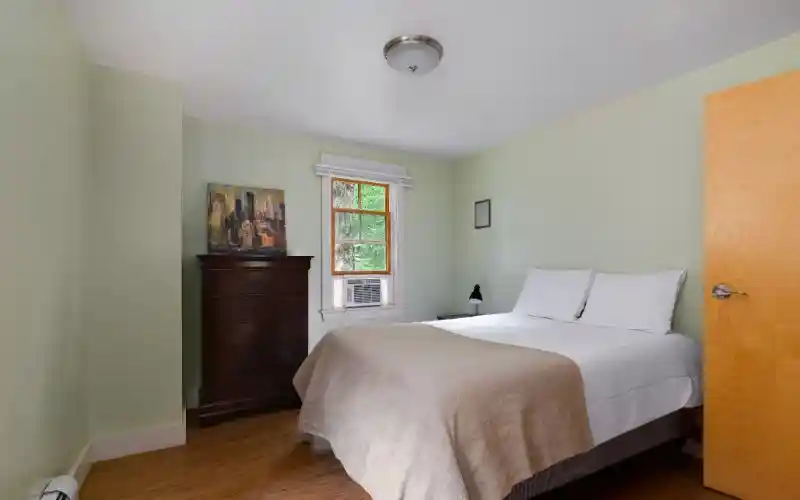
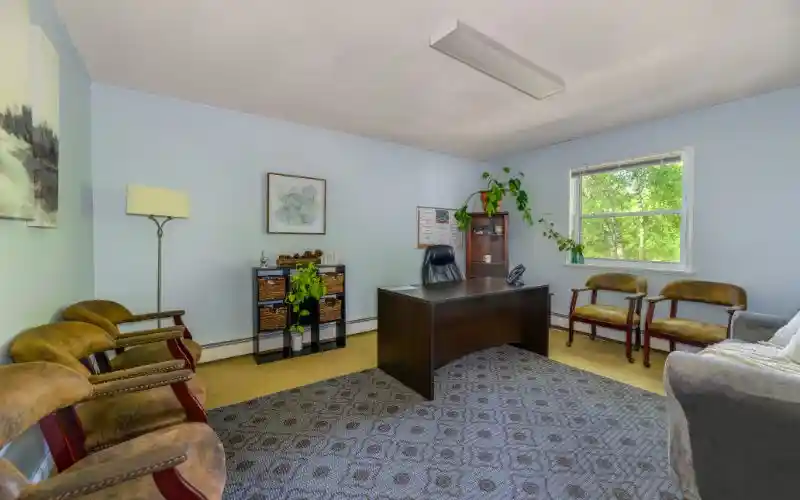


Spring Hill Recovery Center offers evidence-based, comprehensive addiction treatment in a residential setting. They treat co-occurring disorders and provide ongoing psychoeducation on relapse, triggers, and family systems. Spring Hill Recovery center focuses on group therapy, with a full-day curriculum of process groups and psychoeducational groups. Clients also meet with their primary clinician 1:1 once a week, or more as needed.
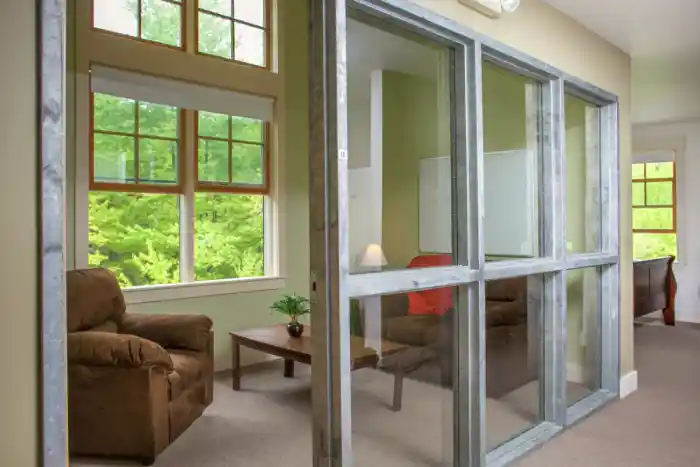
Spring Hill Recovery Center has a full array of qualified, expert staff, from clinical staff to chefs and personal trainers. Their team includes clinicians, nurses, case managers, and aftercare coordinators. Spring Hill Recovery Center uses evidence-based, holistic, and 12-Step modalities to craft treatment plans on an individual basis. The natural resources surrounding Spring Hill Recovery provide additional therapeutic support, with wooded trails and quiet nature to enjoy during daily breaks and weekends. Men and women reside in separate housing—Micheal’s Building for men and The Poet’s Cottages for women.
Spring Hill Recovery uses a comprehensive blend of holistic and evidence-based therapies in its treatment plans. This multifaceted approach allows them to treat addiction at its core, including past traumas, mental health disorders, and clients’ family histories. Finding and treating the cause is Spring Hill’s main pillar of treatment. They provide a continuum of care with intensive outpatient programs (IOP), partial hospitalization programs (PHP), and outpatient care. Spring Hill Recovery Center also prioritizes family involvement and addiction education for loved ones.
Services Geared Towards Recovery
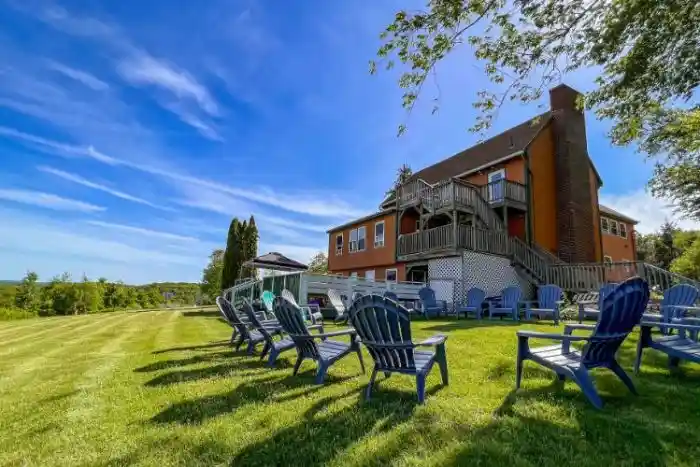
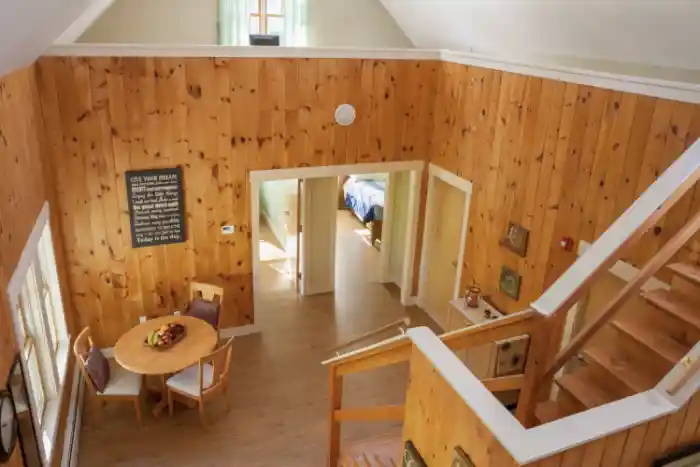
Located on 70 acres of woodland, Spring Hill Recovery Center has gender-specific living quarters on their 8 building campus. Residential treatment includes:
•Exercise or mindfulness classes
•Group therapy sessions
•Classes like positivity practice and relapse prevention
•Art therapy
Spring Hill’s gym and yoga services keep clients active and focused on bodily wellness throughout their stay, bolstered by the nutritious meals their chef creates.
Provider’s Policy:If you are looking for a drug rehab program for you or a loved one, it’s important to verify your insurance first. This helps you avoid one of the biggest stressors that can come with finding treatment: unexpected high costs.
One of the nation’s largest not-for-profit health plans, serving 12.7 million members.

With roots in the health field dating back to 1961, Humana is a trusted insurance provider that proudly serves over 20 million Americans.
Cigna’s unique history traces back to 1792, but today they offer services to 190 million customers in 30 different countries across the globe.
A leading healthcare provider serving over 100 million Americans as one of the largest insurance companies in the country.
Serving Rhode Island, Massachusetts, and Connecticut with affordable healthcare plans and partnership with Harvard Pilgrim Health Care.
Carelon Behavioral Health, formerly Beacon Health Options, is headquartered in Boston, Massachusetts and serves over 40 million people.
Serving over 5.1 million members across the country with a range of health insurance options for individuals from all walks of life.

One of the largest health insurance companies in the US, offering several health insurance options to individuals and businesses.

Founded in 1946, Anthem is the 4th largest public managed health care company in the United States and serves over 46 million clients.

Founded in 1996, Highmark helps 7 million customers all across the eastern half of the United States get quality care.

Spring Hill Recovery Center offers group therapy as a pinnacle treatment element, with at least 36 weekly groups. Clients can attend focused groups on psychoeducation, coping skills, relapse prevention, health and wellness, identifying triggers, and managing distress. Spring Hill Recovery Center also provides specialty groups for LGBTQ+ clients, first responders, couples, and young adults.
Spring Hill Recovery incorporates family care into their treatment. Clients can directly meet with family during family visits, which typically happen once a month. Other family services, like group counseling, help educate family members on addiction and how to support their loved one through recovery.
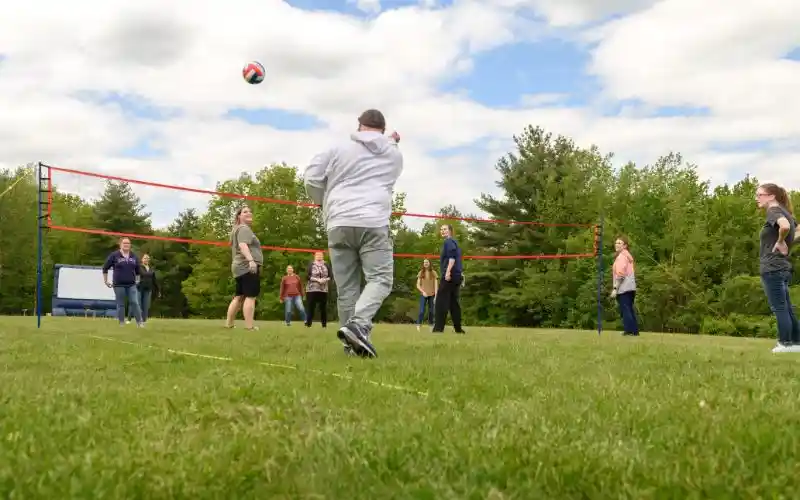
Located in the woodlands of North Central Massachusetts, Spring Hill Recovery offers customized residential treatment in a relaxing and peaceful setting. Their secluded location provides an escape from the outside world, shifting focus and energy to recovery, healing, and wellness. Clients can enjoy various outdoor activities, like hiking trails, a garden managed by clients and staff, a fire pit, cookouts, outdoor movies, a basketball court, and other outdoor games.
Spring Hill Recovery Center offers a full continuum of clinical care to treat the whole person and address every facet of addiction. This includes a variety of therapies and an encouragement to connect with nature. Intensive outpatient, partial hospitalization, sober living, and outpatient services are all offered by Spring Hill Recovery in an effort to reach all who need treatment.
RehabPath verified that the name, location, contact information and license to operate for this treatment provider are valid and up-to-date. Spring Hill Recovery Center has verified the information on this page to be accurate.
RehabPath is an independent, third-party mental health resource. Verification does not imply endorsement and does not guarantee the quality of treatment services

$28,000 | 28 Day Residential Stay
$13,750 | 30 Day Day Treatment
$7,500 | 30 Day Intensive Outpatient Program
Extended options available
Men
Women
Executives
Executives
Executive treatment programs typically directly support the needs of people who manage businesses and may provide flexible schedules and office space to allow work during treatment.

Alcohol
Alcohol
Using alcohol as a coping mechanism, or drinking excessively throughout the week, signals an alcohol use disorder.
Co-Occurring Disorders
Co-Occurring Disorders
A person with multiple mental health diagnoses, such as addiction and depression, has co-occurring disorders also called dual diagnosis.
Drug Addiction
Drug Addiction
Drug addiction is the excessive and repetitive use of substances, despite harmful consequences to a person’s life, health, and relationships.
Family Involvement
Family Involvement
Providers involve family in the treatment of their loved one through family therapy, visits, or both–because addiction is a family disease.
Heroin
Heroin
Heroin is a highly addictive and illegal opioid. It can cause insomnia, collapsed veins, heart issues, and additional mental health issues.
Day Treatment
Day Treatment
In a PHP, patients live at home but follow an intensive schedule of treatment. Most programs require you to be on-site for about 40 hours per week.
Detox (off-site)
Detox (off-site)
This is often the first step of addiction treatment. For many people, it’s dangerous to detox without proper medical support.
Licensed Primary Mental Health
Licensed Primary Mental Health
Some primary care providers offer mental health diagnosis and treatment. This can prevent patients from developing more serious conditions.
Outpatient Program
Outpatient Program
During outpatient rehab, patients attend a structured treatment program while continuing to live at home.
Residential
Residential
In a residential rehab program, patients live onsite, with access to daily treatment and 24-hour care. An average stay is 30-90 days.
Outpatient Therapy
Evidence-Based
Evidence-Based
A combination of scientifically rooted therapies and treatments make up evidence-based care, defined by their measured and proven results.
Individual Treatment
Individual Treatment
Individual care meets the needs of each patient, using personalized treatment to provide them the most relevant care and greatest chance of success.
Holistic
Holistic
A non-medicinal, wellness-focused approach that aims to align the mind, body, and spirit for deep and lasting healing.
Personalized Treatment
Personalized Treatment
The specific needs, histories, and conditions of individual patients receive personalized, highly relevant care throughout their recovery journey.
1-on-1 Counseling
1-on-1 Counseling
Patient and therapist meet 1-on-1 to work through difficult emotions and behavioral challenges in a personal, private setting.
Meditation & Mindfulness
Meditation & Mindfulness
A practiced state of mind that brings patients to the present. It allows them to become fully aware of themselves, their feelings, and the present moment.
Adventure Therapy
Adventure Therapy
This experiential approach uses the physical and emotional challenges of outdoor activities as tools for personal growth.
Art Therapy
Art Therapy
Visual art invites patients to examine the emotions within their work, focusing on the process of creativity and its gentle therapeutic power.
Cognitive Behavioral Therapy
Dance Therapy
Dance Therapy
This experiential therapy uses dance to improve body awareness, physical health, and social skills.
DBT
DBT
This stage-based therapy helps patients address their realities and behaviors while inspiring healthy change, primarily in regulating emotions.
Music Therapy
Music Therapy
Singing, performing, and even listening to music can be therapeutic. Music therapy sessions are facilitated by certified counselors.
Recreation Therapy
Recreation Therapy
In recreation therapy, recovery can be joyful. Patients practice social skills and work through emotional triggers by engaging in fun activities.
Relaxation Therapy
Relaxation Therapy
Muscle relaxation techniques relax mind and body. They can easily be practiced outside treatment, making it a valuable coping tool for continued recovery.
Group Therapy
Yoga
Yoga
Yoga is both a physical and spiritual practice. It includes a flow of movement, breathing techniques, and meditation.
Prescription Drugs
Prescription Drugs
It’s possible to abuse any drug, even prescribed ones. If you crave a medication, or regularly take it more than directed, you may have an addiction.
Co-Occurring Disorders
Co-Occurring Disorders
A person with multiple mental health diagnoses, such as addiction and depression, has co-occurring disorders also called dual diagnosis.
Cocaine
Cocaine
Cocaine is a stimulant with euphoric effects. Agitation, muscle ticks, psychosis, and heart issues are common symptoms of cocaine abuse.
Benzodiazepines
Benzodiazepines
Benzodiazepines are prescribed to treat anxiety and sleep issues. They are highly habit forming, and their abuse can cause mood changes and poor judgement.
Opioids
Opioids
Opioids produce pain-relief and euphoria, which can lead to addiction. This class of drugs includes prescribed medication and the illegal drug heroin.
Codependency
Codependency
Codependency is a pattern of emotional dependence and controlling behavior. It’s most common among people with addicted loved ones.
Alcohol
Alcohol
Using alcohol as a coping mechanism, or drinking excessively throughout the week, signals an alcohol use disorder.
Methamphetamine
Methamphetamine
Methamphetamine, or meth, increases energy, agitation, and paranoia. Long-term use can result in severe physical and mental health issues.
Heroin
Heroin
Heroin is a highly addictive and illegal opioid. It can cause insomnia, collapsed veins, heart issues, and additional mental health issues.
Marijuana
Synthetic Drugs
Synthetic Drugs
Synthetic drugs are made in a lab, unlike plant-based drugs like mushrooms. Most synthetic drugs are either stimulants or synthetic cannabinoids.
Drug Addiction
Drug Addiction
Drug addiction is the excessive and repetitive use of substances, despite harmful consequences to a person’s life, health, and relationships.
Chronic Relapse
Chronic Relapse
Consistent relapse occurs repeatedly, after partial recovery from addiction. This condition requires long-term treatment.
Support Meetings
Outpatient Treatment
Ability to Call a Counselor

Armchair or Sofa
Desk
Internet Access
Private or Shared Rooms
Access to Nature
Fitness Center
Gardens
Outdoor Dining
Outdoor Lounge
Recreation Room
Theater
Walking Trails
Couples program
Couples program
Using gentle clinical care, therapists guide patients and their partner through guided sessions to address issues and work towards lasting solutions.
Executive Program
Executive Program
Addiction and mental health treatment for executives typically involves high discretion, greater technology access, and more private, 1-on-1 care.
Flexible technology policies
Flexible technology policies
Centers with flexible technology policies allow professionals to stay in touch with work and give patients a greater sense of connection and normalcy.
Gender-specific groups
Gender-specific groups
Patients in gender-specific groups gain the opportunity to discuss challenges unique to their gender in a comfortable, safe setting conducive to healing.
LGBTQ group
LGBTQ group
Group therapy unites LGBTQ+ patients in a safe and culturally competent setting, encouraging peer support under the expert leadership of a therapist.
Wheelchair Accessible
Young Adults Program
Young Adults Program
Programs for young adults bring teens 18+ together to discuss age-specific challenges, vocational and educational progress, and successes in treatment.
Yoga
Yoga
Yoga is both a physical and spiritual practice. It includes a flow of movement, breathing techniques, and meditation.
Farming, Gardening
Hiking
Movies
Physical Fitness
Learn more about the many treatments for addiction, including cognitive behavioral therapy, the 12-Steps, and holistic therapies.
Read how Spring Hill Recovery Center is building a foundation for recovery with integrity, transparency, and compassion.
See an overview of Spring Hill Recovery Center’s daily schedule, treatment programs, and the amenities they offer.
Spring Hill Recovery Center offers a two-day family event that includes family therapy, group discussions, and education panels.
Spring Hill is a remarkable treatment center. Everything is top notch from the amazing staff, accommodations, excellent food, and beautiful grounds. The level of care is very individualized and the group sessions are engaging.
While costs may vary due to program length and insurance benefits, it typically costs $7,500-$28,000.
Ashby, Massachusetts, United States.
If you are looking for a drug rehab program for you or a loved one, it’s important to verify your insurance first. This helps you avoid one of the biggest stressors that can come with finding treatment: unexpected high costs..
The typical length is Up to 30 days.
Yes, services include detox (off-site).

Top10 Rehabs is an independent organization that simplifies finding the best mental health and addiction treatment. Comprehensive profiles of over 2,500 rehab centers include insurance coverage, pricing, photos, reviews, and more. Choosing the best path to recovery has never been easier.