
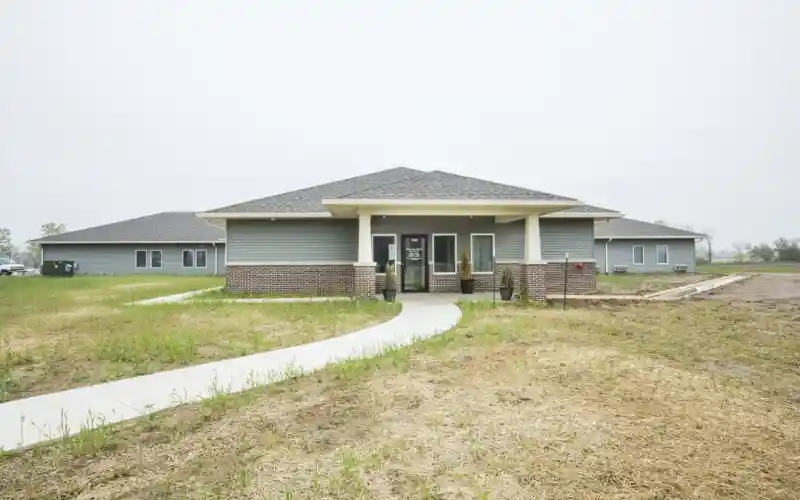

Claimed
RehabPath has connected directly with this treatment provider to validate the information in their profile.
Residential treatment offering tailored detox, 12-Step support, and fun activities to treat addiction and co-occurring disorders in adults.
Connect with Recovery Works Cambridge by calling their admissions team directly.
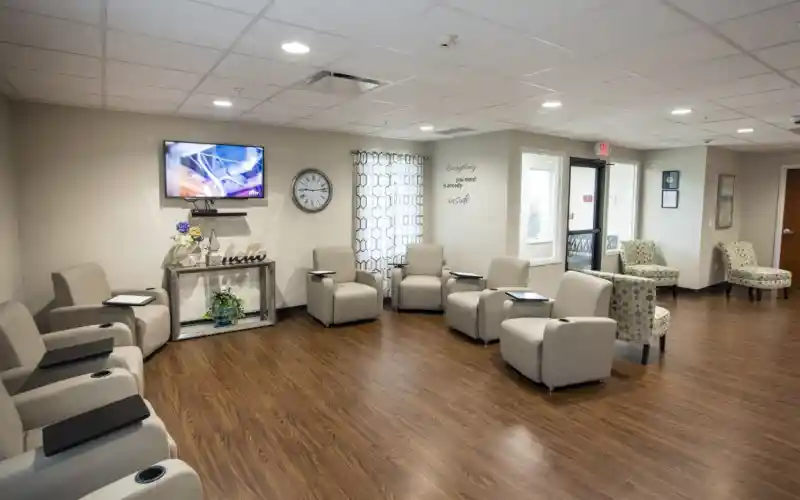

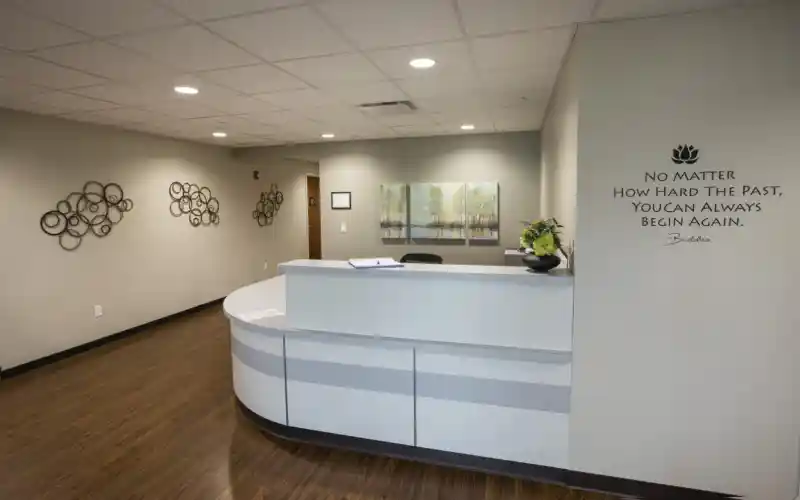
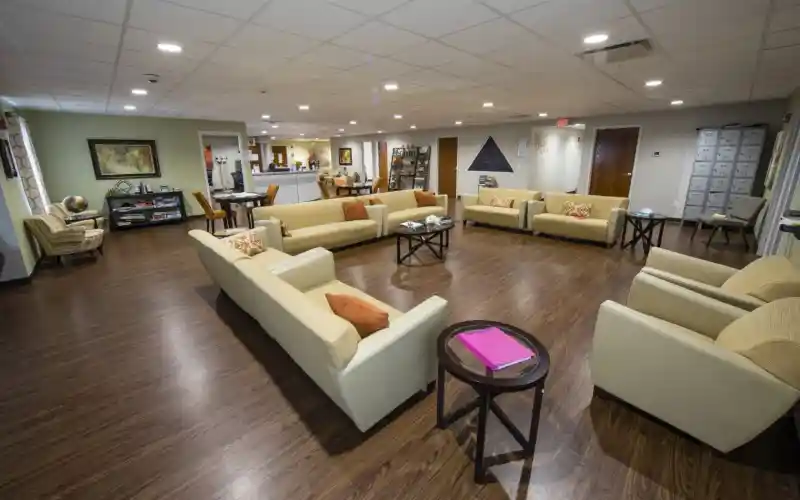
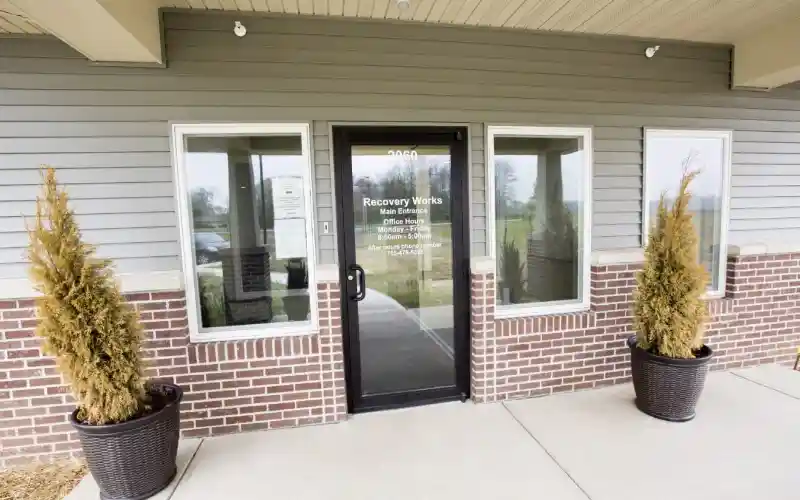
Recovery Works Cambridge is a residential treatment program offering 4 varying levels of care. Their different levels of care offered are meant to meet individuals no matter what their personal needs are or where they are on their addiction and recovery journey. Uniquely customized treatment plans are created to help restore balance to all areas of life: physical, emotional, spiritual, and psychological well-being. The detox program provides support through the uncomfortable and potentially dangerous drug and alcohol detoxification process. This part of treatment may also involve medication-assisted treatment (MAT), the use of medications meant to minimize the symptoms of withdrawal. The residential treatment program is their highest level of care, including individual and group therapy, 12-Step introduction, addiction education, and mental health care as needed. Some of their therapy methods include cognitive behavioral therapy (CBT), education on stress management, healthy coping skills, exercise, and mindfulness techniques. Once individuals meet their mutually agreed upon residential treatment goals, patients step down to their final level of care. Aftercare programs at Recovery Works offer peer support, on-going case management, and community support with their alumni meetings on a monthly basis at no cost.
Treatment providers and professionals feel that the earliest relationships in life have a substantial impact on who one is today. Recovery Works believes family involvement is key to the recovery process. Their Family Program incorporates family counseling and supportive engagement during the recovery process. Parents, siblings, and spouses are invited and encouraged to participate.
Provider’s Policy:As soon as we learn the specifics of your situation – fully insured, under-insured, or self-pay – we develop a financial plan that matches your means and needs. Our staff collaborates with insurance companies to make the best use of your available benefits. If you’re self-pay, we work with you to create a plan that allows you to begin treatment as soon as possible.
Signed into law through the Social Security Act in 1965, Medicaid is a United States government program that offers health insurance to those with limited income.
A leading healthcare provider serving over 100 million Americans as one of the largest insurance companies in the country.

Founded in 1946, Anthem is the 4th largest public managed health care company in the United States and serves over 46 million clients.


Men
Women
Older Adults
Older Adults
Addiction and mental health treatment caters to adults 55+ and the age-specific challenges that can come with recovery, wellness, and overall happiness.
Men and Women
Men and Women
Men and women attend treatment for addiction in a co-ed setting, going to therapy groups together to share experiences, struggles, and successes.
Midlife Adults
Midlife Adults
For adults ages 40+, treatment shifts to focus on the unique challenges, blocks, and risk factors of their age group, and unites peers in a similar community.

Mental health is a complex health condition that requires a comprehensive, patient-centered approach to treatment that ensures you receive the appropriate care at the right time, based on your individual needs.

Typically the initial stage of treatment for substance use, focusing on medically supervised management of withdrawal symptoms.
An intensive program offering 24 hour care and a variety of therapeutic services in a residential setting.

Transitional housing designed to support individuals recovering from substance use disorders offering a safe, supportive and structured environment for practicing long-term sobriety, while reintegrating back into daily living.
Treatment programming allowing patients to receive care without staying in a hospital or inpatient facility, providing a variety of therapeutic and medical services.

Family Program
Co-Occurring Disorders
Co-Occurring Disorders
A person with multiple mental health diagnoses, such as addiction and depression, has co-occurring disorders also called dual diagnosis.
Detox
Detox
Detox fully and safely removes toxic substances from the body, allowing the next steps in treatment to begin with a clean slate.
Evidence-Based
Evidence-Based
A combination of scientifically rooted therapies and treatments make up evidence-based care, defined by their measured and proven results.
Individual Treatment
Individual Treatment
Individual care meets the needs of each patient, using personalized treatment to provide them the most relevant care and greatest chance of success.
Twelve Step
Twelve Step
Incorporating spirituality, community, and responsibility, 12-Step philosophies prioritize the guidance of a Higher Power and a continuation of 12-Step practices.
Group Therapy
Family Involvement
Family Involvement
Providers involve family in the treatment of their loved one through family therapy, visits, or both–because addiction is a family disease.
Personalized Treatment
Personalized Treatment
The specific needs, histories, and conditions of individual patients receive personalized, highly relevant care throughout their recovery journey.
Spiritual Emphasis
Spiritual Emphasis
Spirituality connects patients to a higher power and helps strengthen their recovery, hope, and compliance with other treatment modalities.
Wellness
Wellness
Wellness philosophies focus on the physical, mental, and spiritual wellness of each patient, helping them restore purpose with natural remedies.
Strengths-based
Strengths-based
Providers using a strengths-based philosophy focus on the positive traits of their patients, creating a positive feedback loop that grows confidence.
Spiritual Care
Spiritual Care
Tending to spiritual health helps treatment become more effective, allowing patients to better cope with their emotions and rebuild their spiritual wellbeing.
Group Therapy
1-on-1 Counseling
1-on-1 Counseling
Patient and therapist meet 1-on-1 to work through difficult emotions and behavioral challenges in a personal, private setting.
Life Skills
Life Skills
Teaching life skills like cooking, cleaning, clear communication, and even basic math provides a strong foundation for continued recovery.
Cognitive Behavioral Therapy
Relapse Prevention Counseling
Relapse Prevention Counseling
Relapse prevention counselors teach patients to recognize the signs of relapse and reduce their risk.
Twelve Step Facilitation
Twelve Step Facilitation
12-Step groups offer a framework for addiction recovery. Members commit to a higher power, recognize their issues, and support each other in the healing process.
Psychoeducation
Psychoeducation
This method combines treatment with education, teaching patients about different paths toward recovery. This empowers them to make more effective decisions.
Medication-Assisted Treatment
Medication-Assisted Treatment
Combined with behavioral therapy, prescribed medications can enhance treatment by relieving withdrawal symptoms and focus patients on their recovery.
Family Therapy
Family Therapy
Family therapy addresses group dynamics within a family system, with a focus on improving communication and interrupting unhealthy relationship patterns.
Co-Occurring Disorders
Co-Occurring Disorders
A person with multiple mental health diagnoses, such as addiction and depression, has co-occurring disorders also called dual diagnosis.
Cocaine
Cocaine
Cocaine is a stimulant with euphoric effects. Agitation, muscle ticks, psychosis, and heart issues are common symptoms of cocaine abuse.
Grief and Loss
Grief and Loss
Grief is a natural reaction to loss, but severe grief can interfere with your ability to function. You can get treatment for this condition.
Opioids
Opioids
Opioids produce pain-relief and euphoria, which can lead to addiction. This class of drugs includes prescribed medication and the illegal drug heroin.
Methamphetamine
Methamphetamine
Methamphetamine, or meth, increases energy, agitation, and paranoia. Long-term use can result in severe physical and mental health issues.
Post Traumatic Stress Disorder
Post Traumatic Stress Disorder
PTSD is a long-term mental health issue caused by a disturbing event or events. Symptoms include anxiety, dissociation, flashbacks, and intrusive thoughts.
Depression
Depression
Symptoms of depression may include fatigue, a sense of numbness, and loss of interest in activities. This condition can range from mild to severe.
Drug Addiction
Drug Addiction
Drug addiction is the excessive and repetitive use of substances, despite harmful consequences to a person’s life, health, and relationships.
Alcohol
Alcohol
Using alcohol as a coping mechanism, or drinking excessively throughout the week, signals an alcohol use disorder.
Anxiety
Anxiety
Anxiety is a common mental health condition that can include excessive worry, panic attacks, physical tension, and increased blood pressure.
Bipolar
Bipolar
This mental health condition is characterized by extreme mood swings between depression, mania, and remission.
Anger
Anger
Although anger itself isn’t a disorder, it can get out of hand. If this feeling interferes with your relationships and daily functioning, treatment can help.
Family Follow-up Counseling
Support Meetings
Recovery Coach
Outpatient Treatment
Family Follow-up Counseling
Aftercare Home Support
Aftercare App
Alumni Events & Get-Togethers
Sober Companion
Professional Re-entry Support
Support Meetings (on-site)
Aftercare Group Therapy

Shared Rooms
Snacks
Basketball Court
Fitness Center
Family Program
AA/NA Meetings
Alternative Meetings
AA/NA Meetings

Top10 Rehabs is an independent organization that simplifies finding the best mental health and addiction treatment. Comprehensive profiles of over 2,500 rehab centers include insurance coverage, pricing, photos, reviews, and more. Choosing the best path to recovery has never been easier.