Verified
This provider’s information has been quality-checked by Top10 Rehabs’s Research Team for accuracy and completeness, including data verification through appropriate third-party organizations.View This Center’s Verified License
Insurance Accepted
Call for price
Providing individualized treatment for eating disorders in children, teens, and adults, with 2 locations and multiple levels of intensive care.
Highlights
Connect with McCallum Place by calling their admissions team directly.


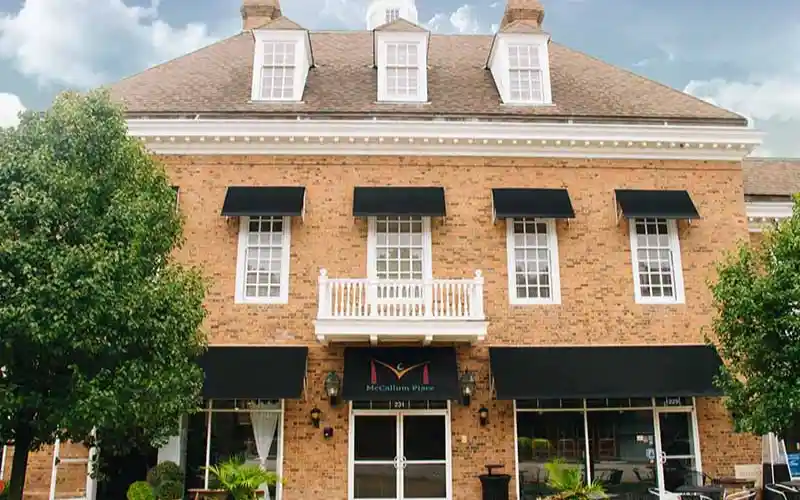
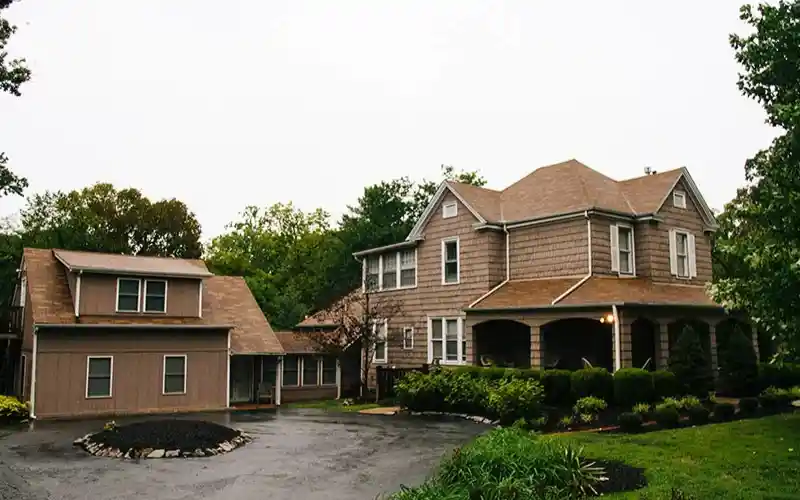
Using intensive medical and psychological treatment, McCallum Place treats eating disorders in children, adolescents, and adults. They have 2 locations: their St. Louis location treats kids 10+, and their Kansas City location treats adolescents 12+. Both locations treat adults. McCallum Place provides 24/7 monitoring, nutritional education, guidance from dieticians and academic care through on-site teachers and tutors.
McCallum Place’s treatment professionals include psychiatrists, psychologists, child and family therapists, physicians, nurses, dieticians, and sports medicine professionals. In their residential program, clients receive at least one 1:1 session with their psychologist, 3 weekly individual sessions with their eating disorder therapist, and one weekly session with a dietician. Each client’s care team meets once a week to collaborate on goals and progress. McCallum Place provides support during and after all meals and snacks. They can provide intensive medical services as needed, like nasogastric tube feeding.
McCallum Place can treat anorexia nervosa, bulimia nervosa, binge-eating disorder, body dysmorphia, laxative abuse, and avoidant/restrictive food intake disorder (ARFID). Along with primary eating disorders, they treat co-occurring mental health conditions like anxiety, depression, post-traumatic stress disorder (PTSD), trauma, self-harm, obsessive compulsive disorder (OCD), and personality disorders.
McCallum Place provides multiple levels of care, including residential treatment, day treatment, intensive outpatient, and transitional housing. Their day treatment program offers an Extended 10-hour day and a Traditional 6-hour day, each for 6 days a week. McCallum Place also provides a specialized recovery program for athletes, Victory Program. Here, athletes receive treatment for eating disorders and athletic support, with sports psychologists, coaches, and sports dieticians helping them recover.

McCallum Place provides treatment to teens and kids. They welcome children ages 10+ at their St. Louis location and 12+ at their Kansas City location. They provide on-site academics and tutoring, weekly family therapy, meal supervision, and multiple group therapies daily. McCallum Place has on-site animal therapy too, with on-site therapy dogs available during meal times and throughout the day.
McCallum Place considers all aspects of health, including physical, psychological, and spiritual. Their treatment plans revolve around the needs of each client and can include trauma therapy, holistic therapies, and more intensive medical care. Clients meet weekly with their discharge planner to streamline their home transition.
Licensed and certified professionals, including psychiatrists, psychologists, and physicians, lead treatment’s medical and psychological aspects. McCallum Place’s medical team takes and monitors vital signs and blood work, diabetes, gastrointestinal and cardiovascular conditions, and can insert nasogastric tubes for feeding. Clients also receive group and 1:1 therapy from specialized eating disorder therapists, general psychologists, and dieticians.
McCallum Place provides residential care with 24/7 monitoring, day treatment, an intensive outpatient program (IOP), transitional housing, and aftercare. Clients can move through their levels of care, starting in residential, or begin at another point. McCallum Place offers transitional housing in St. Louis for clients in day treatment or IOP. Clients and their family members can attend alumni meetings after discharge for further support and continued care.
RehabPath verified that the name, location, contact information and license to operate for this treatment provider are valid and up-to-date. McCallum Place has verified the information on this page to be accurate.
RehabPath is an independent, third-party mental health resource. Verification does not imply endorsement and does not guarantee the quality of treatment services
Men
Women
Adolescents
Adolescents
Adolescents receive the treatment they need for mental health disorders and addiction, with the added support of educational and vocational services.
Young Adults
Young Adults
Emerging adults ages 18-25 receive treatment catered to the unique challenges of early adulthood, like college, risky behaviors, and vocational struggles.
Midlife Adults
Midlife Adults
For adults ages 40+, treatment shifts to focus on the unique challenges, blocks, and risk factors of their age group, and unites peers in a similar community.
Mental health is a complex health condition that requires a comprehensive, patient-centered approach to treatment that ensures you receive the appropriate care at the right time, based on your individual needs.
Typically the initial stage of treatment for substance use, focusing on medically supervised management of withdrawal symptoms.
An intensive program offering 24 hour care and a variety of therapeutic services in a residential setting.
Transitional housing designed to support individuals recovering from substance use disorders offering a safe, supportive and structured environment for practicing long-term sobriety, while reintegrating back into daily living.
In a PHP, patients live at home but follow an intensive schedule of treatment. Most programs require you to be on-site for about 40 hours per week.
Treatment programming allowing patients to receive care without staying in a hospital or inpatient facility, providing a variety of therapeutic and medical services.
Adolescents
Adolescents
Adolescents receive the treatment they need for mental health disorders and addiction, with the added support of educational and vocational services.
Eating Disorders
Eating Disorders
An eating disorder is a long-term pattern of unhealthy behavior relating to food. Most people with eating disorders have a distorted self-image.
Evidence-Based
Evidence-Based
A combination of scientifically rooted therapies and treatments make up evidence-based care, defined by their measured and proven results.
Individual Treatment
Individual care meets the needs of each patient, using personalized treatment to provide them the most relevant care and greatest chance of success.
Family Involvement
Family Involvement
Providers involve family in the treatment of their loved one through family therapy, visits, or both–because addiction is a family disease.
Trauma-Specific Therapy
This form of talk therapy addresses any childhood trauma at the root of a patient’s current diagnosis.
1-on-1 Counseling with Clinical Psychologist
Animal Therapy
Animal Therapy
Animals can inspire trust and self-worth. In this experiential therapy, guided interactions are used to improve social skills and emotion regulation.
Cognitive Behavioral Therapy
Eye Movement Therapy (EMDR)
Lateral, guided eye movements help reduce the emotional reactions of retelling and reprocessing trauma, allowing intense feelings to dissipate.
Family Therapy
Family Therapy
Family therapy addresses group dynamics within a family system, with a focus on improving communication and interrupting unhealthy relationship patterns.
Music Therapy
Music Therapy
Singing, performing, and even listening to music can be therapeutic. Music therapy sessions are facilitated by certified counselors.
Nutrition Counseling
Nutritious food helps patients heal from within, setting them up for mental and bodily wellness as they learn about healthy eating.
Dialectical Behavior Therapy
Group Therapy
Yoga
Yoga
Yoga is both a physical and spiritual practice. It includes a flow of movement, breathing techniques, and meditation.
Eating Disorders
Eating Disorders
An eating disorder is a long-term pattern of unhealthy behavior relating to food. Most people with eating disorders have a distorted self-image.
Co-Occurring Disorders
A person with multiple mental health diagnoses, such as addiction and depression, has co-occurring disorders also called dual diagnosis.
Air-Conditioned Rooms
Private or Shared Rooms
Outdoor Lounge
Walking Trails
Vegetarian
Gluten-Free
Yoga
Yoga
Yoga is both a physical and spiritual practice. It includes a flow of movement, breathing techniques, and meditation.
Adventure Outings
Adventure Outings
Therapist
Therapist
Therapist
Therapist
MSW, LMSW
Dance/Movement Therapist and Group Therapist
MA Ed, BC-DMT, NCC, SEP
Art Therapist
MA, PLPC
Group Therapist
M.Ed., LPC, NCC
Therapist
MA, LPC
Registered Dietitian
MPH, RD, LD
Director of Nutrition Services
RD, LD
Dietitian
MS, RDN, LDN
Registered Dietitian
MFN, RD, LD
Registered Dietitian
MS, RDN, LD
Lead Dietitian
RD, LD
Sports Dietitian
RD, CSSD, LD
Registered Dietitian
RD, LD
Admissions Counselor
BS
Utilization Review
M.A., MAADCII
Utilization Review
BA
Movement and Fitness Specialist
CPT
Therapist
MA
Clinical Director
MS, MT-BC, LCMFT
Milieu Manager
MT-BC
Psychiatric Mental Health Nurse Practitioner
MSN, RN, PMHNP-BC
Therapist
LPC
Registered Dietitian
MS, RD, LD
Therapist
LMSW
Nurse
RN
Direct Care
Office Coordinator
Director of Business Development
LCSW
Community Relations Liaison
MA
M.Ed.
Teacher
Manager of Educational Services
BS
Director Human Resources
Canine Therapist
Canine Therapist
Canine Therapist
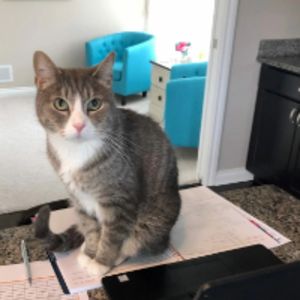
Remote Feline Support Worker
Chief Executive Officer
MHA, BSN, FACHE, NE-BC
Chief Financial Officer
Founder of McCallum Place
MD, FAPA, CEDS
Child and Adolescent Psychiatrist
MD
Psychiatrist
M.D.
Psychiatrist
M.D.
Psychiatrist
D.O., Ph.D.
Family Medicine Physician
M.D., PhD, CEDS
Therapist
MA, PLPC
LCSW
Clinical Director
MS, LPC
Clinical Manager
MEd, PLPC
Lead Therapist
Therapist
Deal, MA, LPC
While costs may vary due to program length and insurance benefits, it typically costs Call for price.
St. Louis, Missouri, United States.
The typical length is 30-45 days.
Top10 Rehabs is an independent organization that simplifies finding the best mental health and addiction treatment. Comprehensive profiles of over 2,500 rehab centers include insurance coverage, pricing, photos, reviews, and more. Choosing the best path to recovery has never been easier.