


Claimed
Top10 Rehabs has connected directly with this treatment provider to validate the information in their profile.
An outpatient treatment center offering comprehensive rehab programs for substance-use disorders and dual-diagnoses.
Connect with Long Island Treatment Center by calling their admissions team directly.




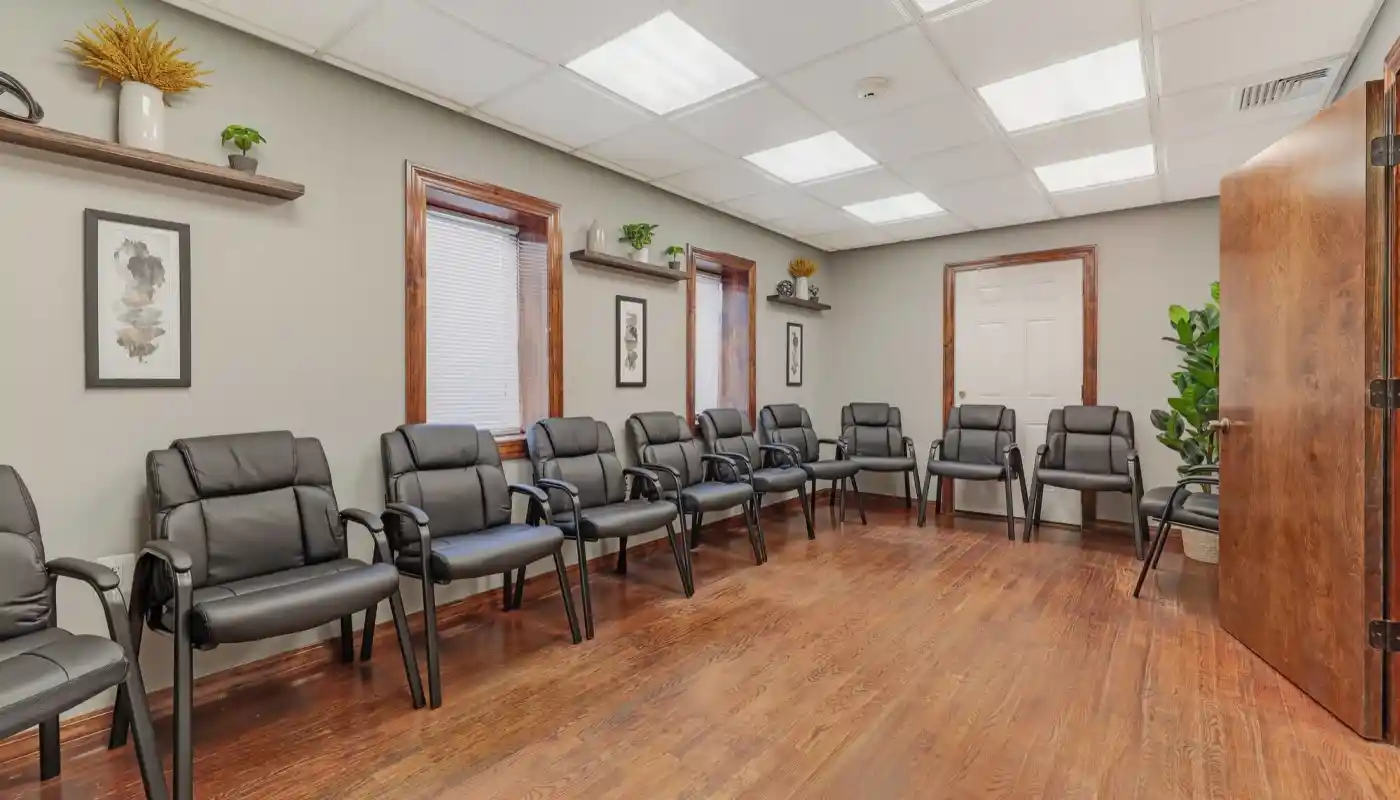
Long Island Treatment Center (LITC) aims to provide patients tools and resources for recovery through their various levels of outpatient addiction treatment. The center offers partial hospitalization programs (PHP), intensive outpatient programs (IOP), outpatient, dual-diagnosis and aftercare treatment. Long Island’s team of licensed professionals help determine which form of treatment is best for the patient, including arrangement of off-site treatment if necessary.
The team at LITC understands that recovery looks different from person to person. The staff is committed to designing each patient’s treatment plan to meet the patient’s unique needs. LITC implements evidence-based therapies with compassion and inclusivity. The most common interventions used at LITC for addiction are cognitive behavioral therapy (CBT), dialectical behavioral therapy (DBT), contingency management, one-on-one counseling and group counseling. Many patients have co-occurring disorders, and LITC takes into account both diagnoses and specializes in effectively treating them together.
LITC provides an array of aftercare options for all recovery patients. Among the options, patients are encouraged to join the alumni program, where they can stay engaged in the recovery process alongside a large network of past patients. The alumni program regularly holds in-person and virtual meetings to support and guide patients in their life post-treatment. Learning to live with sobriety takes time, and the support and encouragement of others can help patients attain sustained sobriety.
Provider’s Policy:Long Island Treatment Center accepts most inpatient rehabs and outpatient insurance coverage plans! We also offer 24/7 support for you or someone you love who needs help getting clean now!
A leading healthcare provider serving over 100 million Americans as one of the largest insurance companies in the country.

Long Island Treatment Center has a wide range of care options, including day treatment (partial hospitalization), intensive outpatient (IOP), evening intensive outpatient, outpatient, and virtual telehealth. A more intensive level of care, like day treatment, is a great option for clients who are beginning their recovery or may need more attention throughout treatment. Less intensive care, such as Long Island’s outpatient program, allows clients to still participate in therapy while also tending to other responsibilities such as school or work.
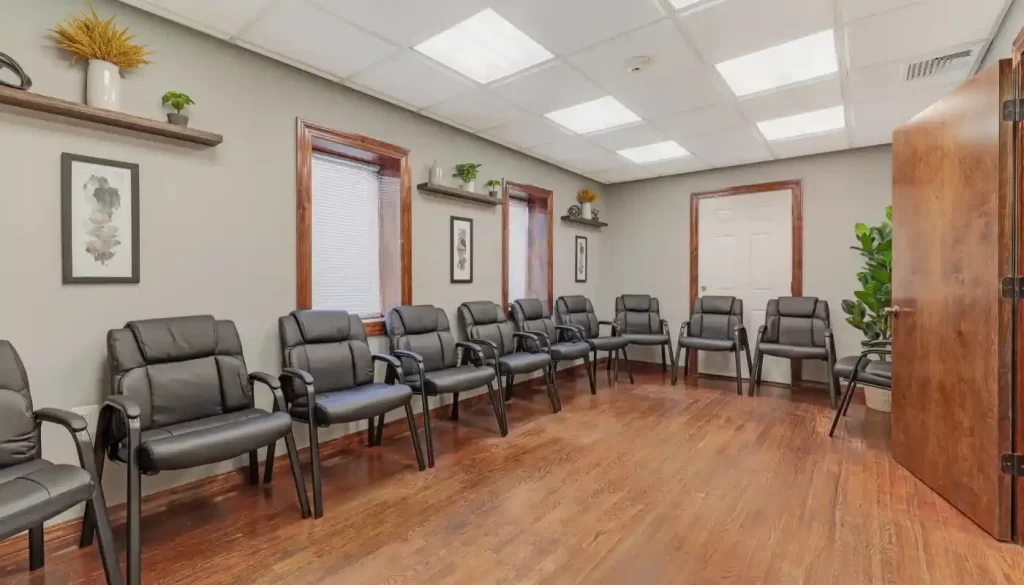

Long Island Treatment Center focuses on relapse prevention planning throughout its program. Clients learn ways to recognize triggers, manage their cravings, and identify preventative tools. Long Island also helps clients create an active lifestyle plan to have healthy outlets in their sobriety journey.
Long Island Treatment Center offers a unique opportunity for clients to receive treatment virtually. Clients in this program still participate in 12-step facilitation groups, cognitive behavioral therapy (CBT), and 1:1 sessions with a therapist. Long Island offers educational sessions to discuss relapse prevention and emotional sobriety.


Long Island Treatment Center has regular in-person and virtual meetings. Alumni fellowship meetings provide opportunities for clients to socialize and bolster communication skills during sober activities. Groups can discuss topics such as work, school, or other personal obligations fitting into their new sober lifestyle.

Men
Women
Men and Women
Men and Women
Men and women attend treatment for addiction in a co-ed setting, going to therapy groups together to share experiences, struggles, and successes.

Mental health is a complex health condition that requires a comprehensive, patient-centered approach to treatment that ensures you receive the appropriate care at the right time, based on your individual needs.

Typically the initial stage of treatment for substance use, focusing on medically supervised management of withdrawal symptoms.
An intensive program offering 24 hour care and a variety of therapeutic services in a residential setting.
Transitional housing designed to support individuals recovering from substance use disorders offering a safe, supportive and structured environment for practicing long-term sobriety, while reintegrating back into daily living.

In a PHP, patients live at home but follow an intensive schedule of treatment. Most programs require you to be on-site for about 40 hours per week.
Treatment programming allowing patients to receive care without staying in a hospital or inpatient facility, providing a variety of therapeutic and medical services.

Alcohol
Alcohol
Using alcohol as a coping mechanism, or drinking excessively throughout the week, signals an alcohol use disorder.
Co-Occurring Disorders
Co-Occurring Disorders
A person with multiple mental health diagnoses, such as addiction and depression, has co-occurring disorders also called dual diagnosis.
Drug Addiction
Drug Addiction
Drug addiction is the excessive and repetitive use of substances, despite harmful consequences to a person’s life, health, and relationships.
Outpatient Program
Outpatient Program
During outpatient rehab, patients attend a structured treatment program while continuing to live at home.
Evidence-Based
Evidence-Based
A combination of scientifically rooted therapies and treatments make up evidence-based care, defined by their measured and proven results.
Individual Treatment
Individual Treatment
Individual care meets the needs of each patient, using personalized treatment to provide them the most relevant care and greatest chance of success.
Twelve Step
Twelve Step
Incorporating spirituality, community, and responsibility, 12-Step philosophies prioritize the guidance of a Higher Power and a continuation of 12-Step practices.
Family Involvement
Family Involvement
Providers involve family in the treatment of their loved one through family therapy, visits, or both–because addiction is a family disease.
Personalized Treatment
Personalized Treatment
The specific needs, histories, and conditions of individual patients receive personalized, highly relevant care throughout their recovery journey.
1-on-1 Counseling
1-on-1 Counseling
Patient and therapist meet 1-on-1 to work through difficult emotions and behavioral challenges in a personal, private setting.
Cognitive Behavioral Therapy
Relapse Prevention Counseling
Relapse Prevention Counseling
Relapse prevention counselors teach patients to recognize the signs of relapse and reduce their risk.
Twelve Step Facilitation
Twelve Step Facilitation
12-Step groups offer a framework for addiction recovery. Members commit to a higher power, recognize their issues, and support each other in the healing process.
Dialectical Behavior Therapy
Group Therapy
Eating Disorders
Eating Disorders
An eating disorder is a long-term pattern of unhealthy behavior relating to food. Most people with eating disorders have a distorted self-image.
Co-Occurring Disorders
Co-Occurring Disorders
A person with multiple mental health diagnoses, such as addiction and depression, has co-occurring disorders also called dual diagnosis.
Cocaine
Cocaine
Cocaine is a stimulant with euphoric effects. Agitation, muscle ticks, psychosis, and heart issues are common symptoms of cocaine abuse.
Schizophrenia
Schizophrenia
Schizophrenia is a serious mental health condition that causes hallucinations, delusions, and disordered thinking.
Personality Disorders
Personality Disorders
Personality disorders destabilize the way a person thinks, feels, and behaves. If untreated, they can undermine relationships and lead to severe distress.
Benzodiazepines
Benzodiazepines
Benzodiazepines are prescribed to treat anxiety and sleep issues. They are highly habit forming, and their abuse can cause mood changes and poor judgement.
Ecstasy
Ecstasy
Ecstasy is a stimulant that causes intense euphoria and heightened awareness. Abuse of this drug can trigger depression, insomnia, and memory problems.
Opioids
Opioids
Opioids produce pain-relief and euphoria, which can lead to addiction. This class of drugs includes prescribed medication and the illegal drug heroin.
Codependency
Codependency
Codependency is a pattern of emotional dependence and controlling behavior. It’s most common among people with addicted loved ones.
Alcohol
Alcohol
Using alcohol as a coping mechanism, or drinking excessively throughout the week, signals an alcohol use disorder.
Methamphetamine
Methamphetamine
Methamphetamine, or meth, increases energy, agitation, and paranoia. Long-term use can result in severe physical and mental health issues.
Heroin
Heroin
Heroin is a highly addictive and illegal opioid. It can cause insomnia, collapsed veins, heart issues, and additional mental health issues.
Marijuana
Depression
Depression
Symptoms of depression may include fatigue, a sense of numbness, and loss of interest in activities. This condition can range from mild to severe.
Drug Addiction
Drug Addiction
Drug addiction is the excessive and repetitive use of substances, despite harmful consequences to a person’s life, health, and relationships.
Chronic Relapse
Chronic Relapse
Consistent relapse occurs repeatedly, after partial recovery from addiction. This condition requires long-term treatment.
Anxiety
Anxiety
Anxiety is a common mental health condition that can include excessive worry, panic attacks, physical tension, and increased blood pressure.
Bipolar
Bipolar
This mental health condition is characterized by extreme mood swings between depression, mania, and remission.
Stress
Stress
Stress is a natural reaction to challenges, and it can even help you adapt. However, chronic stress can cause physical and mental health issues.
ADHD, ADD
ADHD, ADD
ADHD is a common mental health condition caused by dopamine imbalance. Common symptoms include inattention, hyperactivitiy, and impulsivity.
Support Meetings
Follow-up Sessions (online)
Alumni Events & Get-Togethers
Follow-up Sessions (in-person)
Alumni Reunions
Professional Re-entry Support
Support Meetings (on-site)
Aftercare Group Therapy

AA/NA Meetings


Chief Marketing Officer

Chief Clinical Officer
LMHC, NCC, CCMHC, MCAP

Business Development

Chief Executive Officer

Medical Director
MD, MPH

Primary Therapist
MS, LCAT

Chief Operating Officer

Alumni Coordinator

Director of Operations
CASAC-T

Case Manager
CASAC-T

Primary Therapist
LMHC

Director of Substance Use Counseling
LCSW

Primary Therapist
MHC-LP
Hicksville, New York, United States.
Long Island Treatment Center accepts most inpatient rehabs and outpatient insurance coverage plans! We also offer 24/7 support for you or someone you love who needs help getting clean now!.
The typical length is 30-90 days.

Top10 Rehabs is an independent organization that simplifies finding the best mental health and addiction treatment. Comprehensive profiles of over 2,500 rehab centers include insurance coverage, pricing, photos, reviews, and more. Choosing the best path to recovery has never been easier.