


Claimed
Top10 Rehabs has connected directly with this treatment provider to validate the information in their profile.
An inclusive, specialized eating disorder facility serving all genders in a healing, countryside environment.
Connect with Carolina House by calling their admissions team directly.


Surrounded by trees and nestled in the quiet countryside of North Carolina lies Carolina House, an eating disorder treatment center that serves all genders ages 17 and older. Whether it be anorexia, bulimia, binge-eating disorder, or related concerns like anxiety, obsessive compulsive disorder (OCD), Carolina House is ready and equipped to provide the comprehensive care necessary to overcome eating disorders and co-occurring conditions. Carolina House offers gender-specific residential living along with an LQBTQ group track, partial hospitalization (PHP), and intensive outpatient programing (IOP). Their holistic treatment approach is designed to encourage self-exploration so that individuals can develop and implement transformative, nurturing habits as their new way of living. Each program incorporates evidence-based treatment modalities, including cognitive behavioral therapy (CBT), dialectical behavior therapy (DBT), yoga and mindfulness-based therapies, movement therapy, and nutrition education. One especially unique facets of the residential treatment program is the inclusion of a full culinary program with kitchen access. All clients are given the opportunity to practice meal planning, grocery shopping, and meal preparation. Carolina House can also accommodate clients who follow a vegetarian meal plan.
Treatment at Carolina House takes place in 3 locations throughout Durham and Raleigh, North Carolina. The home in Durham is a 16-bed, craftsmen-style estate sitting on 10 acres of land. Clients can enjoy the gorgeous porch with porch swings, an on-site garden, strawberry fields, and plenty of green space for relaxing. The Estate is their second residential treatment facility in Durham that provides treatment for people of all genders age 17 and older in a 6-bed, brick colonial home. Lastly, the Raleigh location, which opened in 2012, is where their PHP and IOP programs are held. All programs are accredited by CARF and accept most private insurance.
Carolina House is a unique eating disorder treatment center that provides a beautiful location and compassionate staff that seeks to treat the whole person while honoring a person’s unique situation.

Men
Women
LGBTQ+
LGBTQ+
Addiction and mental illnesses in the LGBTQ+ community must be treated with an affirming, safe, and relevant approach, which many centers provide.
Women only
Women only
Women attend treatment in a gender-specific facility, with treatment delivered in a safe, nourishing, and supportive environment for greater comfort.

Mental health is a complex health condition that requires a comprehensive, patient-centered approach to treatment that ensures you receive the appropriate care at the right time, based on your individual needs.

An intensive program offering 24 hour care and a variety of therapeutic services in a residential setting.

Transitional housing designed to support individuals recovering from substance use disorders offering a safe, supportive and structured environment for practicing long-term sobriety, while reintegrating back into daily living.
In a PHP, patients live at home but follow an intensive schedule of treatment. Most programs require you to be on-site for about 40 hours per week.
Treatment programming allowing patients to receive care without staying in a hospital or inpatient facility, providing a variety of therapeutic and medical services.
Some primary care providers offer mental health diagnosis and treatment. This can prevent patients from developing more serious conditions.

Co-Occurring Disorders
Co-Occurring Disorders
A person with multiple mental health diagnoses, such as addiction and depression, has co-occurring disorders also called dual diagnosis.
Eating Disorders
Eating Disorders
An eating disorder is a long-term pattern of unhealthy behavior relating to food. Most people with eating disorders have a distorted self-image.
Evidence-Based
Evidence-Based
A combination of scientifically rooted therapies and treatments make up evidence-based care, defined by their measured and proven results.
Holistic
Holistic
A non-medicinal, wellness-focused approach that aims to align the mind, body, and spirit for deep and lasting healing.
Personalized Treatment
Personalized Treatment
The specific needs, histories, and conditions of individual patients receive personalized, highly relevant care throughout their recovery journey.
1-on-1 Counseling
1-on-1 Counseling
Patient and therapist meet 1-on-1 to work through difficult emotions and behavioral challenges in a personal, private setting.
Mindfulness Therapy
Mindfulness Therapy
This ancient practice can be mental, emotional, and even spiritual. In meditation, you focus your attention on the present moment without judgement.
Art Therapy
Art Therapy
Visual art invites patients to examine the emotions within their work, focusing on the process of creativity and its gentle therapeutic power.
Cognitive Behavioral Therapy
Experiential Therapy
Experiential Therapy
With this approach, patients heal by doing. Therapists help patients process difficult emotions to speak, using guided activities like art or dance.
Family Therapy
Family Therapy
Family therapy addresses group dynamics within a family system, with a focus on improving communication and interrupting unhealthy relationship patterns.
Dialectical Behavior Therapy
Group Therapy
Yoga
Yoga
Yoga is both a physical and spiritual practice. It includes a flow of movement, breathing techniques, and meditation.
Eating Disorders
Eating Disorders
An eating disorder is a long-term pattern of unhealthy behavior relating to food. Most people with eating disorders have a distorted self-image.
Self-Harm
Self-Harm
The act of intentionally harming oneself, also called self-injury, is associated with mental health issues like depression.
Co-Occurring Disorders
Co-Occurring Disorders
A person with multiple mental health diagnoses, such as addiction and depression, has co-occurring disorders also called dual diagnosis.
Grief and Loss
Grief and Loss
Grief is a natural reaction to loss, but severe grief can interfere with your ability to function. You can get treatment for this condition.
Codependency
Codependency
Codependency is a pattern of emotional dependence and controlling behavior. It’s most common among people with addicted loved ones.
Post Traumatic Stress Disorder
Post Traumatic Stress Disorder
PTSD is a long-term mental health issue caused by a disturbing event or events. Symptoms include anxiety, dissociation, flashbacks, and intrusive thoughts.
Depression
Depression
Symptoms of depression may include fatigue, a sense of numbness, and loss of interest in activities. This condition can range from mild to severe.
Anxiety
Anxiety
Anxiety is a common mental health condition that can include excessive worry, panic attacks, physical tension, and increased blood pressure.
Bipolar
Bipolar
This mental health condition is characterized by extreme mood swings between depression, mania, and remission.
Stress
Stress
Stress is a natural reaction to challenges, and it can even help you adapt. However, chronic stress can cause physical and mental health issues.
Obsessive Compulsive Disorder
Obsessive Compulsive Disorder
OCD is characterized by intrusive and distressing thoughts that drive repetitive behaviors. This pattern disrupts daily life and relationships.
Trauma
Trauma
Some traumatic events are so disturbing that they cause long-term mental health problems. Those ongoing issues can also be referred to as ‘trauma.’

Air-Conditioned Rooms
Private or Shared Rooms
Access to Nature
Gardens
Gourmet Dining
Outdoor Dining
Outdoor Lounge
Walking Trails
Dietary Accommodations
Center Pets
Center Pets
Addiction and mental health facilities with pets allow patients to interact with friendly dogs, cats, horses, and in some cases, even dolphins.
Yoga
Yoga
Yoga is both a physical and spiritual practice. It includes a flow of movement, breathing techniques, and meditation.
Adventure Outings
Cooking Classes
Farming, Gardening
Adventure Outings
Outdoor Dining

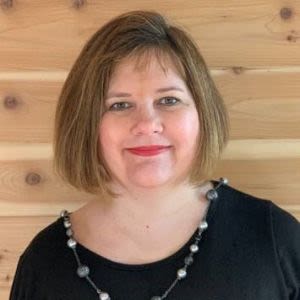
Psychiatrist
MD

Chief Executive Officer
EdS, MBA
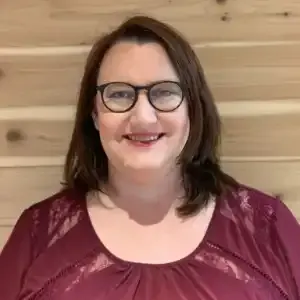
Clinical Director
PsyD

Director of Nutritional Services
M.S., RD, LDN
Durham, North Carolina, United States.
The typical length is 45 days.

Top10 Rehabs is an independent organization that simplifies finding the best mental health and addiction treatment. Comprehensive profiles of over 2,500 rehab centers include insurance coverage, pricing, photos, reviews, and more. Choosing the best path to recovery has never been easier.